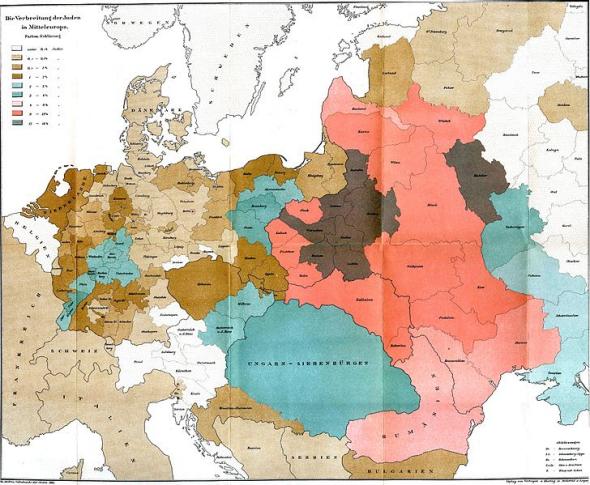
“Ashkenazic Jews were among the last Europeans to take family names. Some German-speaking Jews took last names as early as the 17th century, but the overwhelming majority lived in Eastern Europe and did not take last names until compelled to do so. The process began in the Austro-Hungarian Empire in 1787 and ended in Czarist Russia in 1844.” >text (c) SLATE, 2014
Map by Richard Andree: the Jews of Central Europe, 1881.
Archive for Central Europe
Jewish Surnames Explained
Posted in Uncategorized with tags Ashkenazim, Austria-Hungary, Central Europe, Jews, Russia, surnames on 5 January 2014 by delclem“How History Broke Us”
Posted in Uncategorized with tags America, anti-Semitism, Belarus, Central Europe, Eastern Europe, family history, Holocaust, Jews, Judaism, pogroms on 7 December 2013 by delclem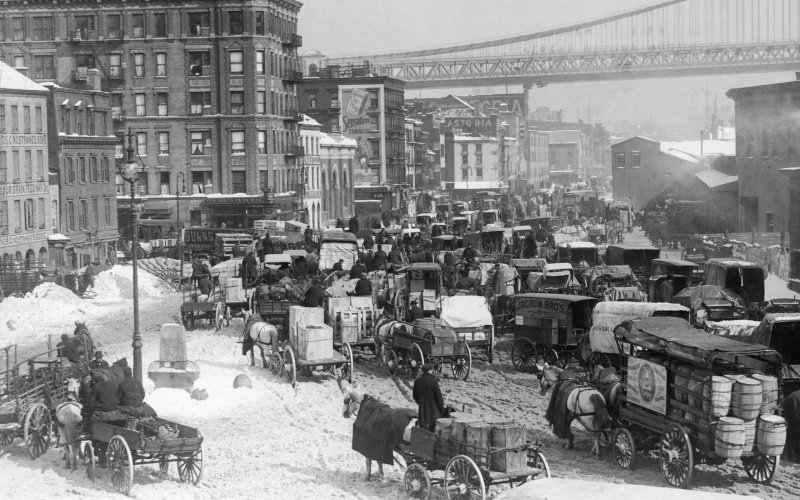
“How to tell the story of the rise and destruction of European Jews? Perhaps the most compelling way is through family history, as David Laskin does in his fascinating new book.” >review & photo (c) THE DAILY BEAST, 2013
The Rorschach Test: what do YOU see?
Posted in Uncategorized with tags Central Europe, Hermann Rorschach, psychology, psychopathology, Rorschach test, Switzerland on 13 November 2013 by delclem
“There is a well-known scene in Woody Allen’s Take The Money And Run (1969) when Virgil Starkwell (Allen) takes a psychological test to join the Navy, but is thwarted by his lascivious unconscious. The psychological measure that proves to be Starkwell’s undoing—rejected, he turns to a life of crime—is the Rorschach inkblot test, devised almost a century ago by Carl Jung’s compatriot and fellow psychologist, Hermann Rorschach. Although Rorschach would die young, at 37, his namesake remains embedded in our perception of psychology, alongside Freud’s couch and Pavlov’s dog.” >full text (c) open culture 2013
Discrimination against Roma traced back
Posted in Uncategorized with tags Central Europe, discrimination, Eastern Europe, gypsies, history, Košice, marginalization, Roma, Slovakia on 1 November 2013 by delclem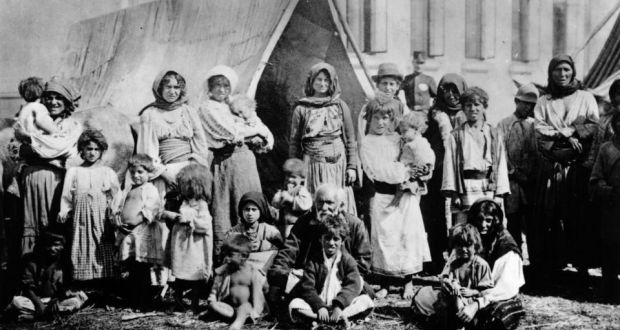
“Discrimination against Sinti & Roma is an inextricable part of their millennium-old history in Europe. The discrimination could be seen as an understandable reaction of the settled population to nomadic strangers. However the Roma and their advocates argue that the nomadic lifestyle is a consequence, rather than cause, of the discrimination.” >full text (c) THE IRISH TIMES, 2013
More: How Racist Assumptions fuelled the ‘Maria’ Disaster >text (c) SPIEGEL,2013
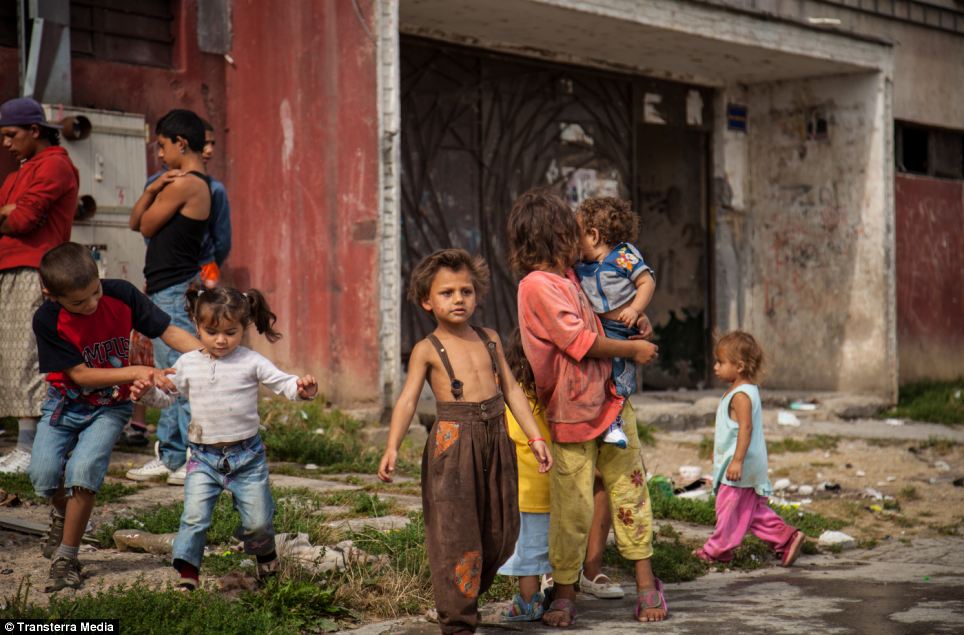
Another article: the Slovak city of Košice as ‘slumdog millionaire’?
>text & disturbing photos (c) THE DAILY MAIL, 2013
“Stories of the Danube”
Posted in Uncategorized with tags Austria, Central Europe, Danube, interview, jazz, Joe Zavinual, Music, symphony on 27 October 2013 by delclemJoe Zawinul (1932-2007) recording his symphony “Stories of the Danube”: excerpts from the music & interview (c) earospace / youtube 2008
Happy Bloomsday 2013!
Posted in Uncategorized with tags Austria, Central Europe, Hungary, James Joyce, Leopold Bloom, Literature, Szombathely, Trieste on 16 June 2013 by delclem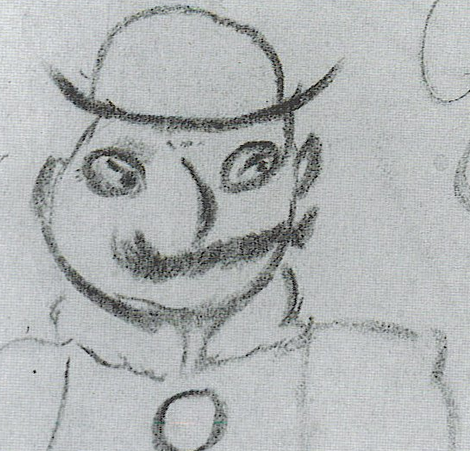
Enjoy your Ulyssey: James Joyce’s hero Leopold Bloom is probably the most closet Central European protagonist of Anglophone literature.
“Kicking the Germans Out of the East”
Posted in Uncategorized with tags Central Europe, ethnic Germans, expulsion, National Socialism, Soviet Union, World War II on 8 June 2013 by delclem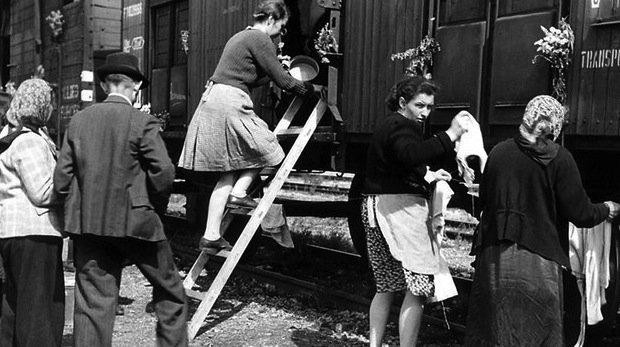
A recent book by Colgate historian R.M. Douglas “has opened, or rather reopened, yet another tortured and largely ignored chapter of World War II, (…) whose specter is still dragging and clanking its chains” across Central and Eastern Europe.
>review (c) NEW YORK REVIEW OF BOOK, 2013
Collateral Roadkill?
Posted in Uncategorized with tags Austria-Hungary, Central Europe, Claudio Magris, discourse, European Union, Frantisek Palacky, Friedrich Naumann, Habsburg, István Bibó, Jean-Luc Nancy, Lebbeus Woods, Maria Todorova, Milan Kundera, Mitteleuropa, narrative analysis on 26 May 2013 by delclem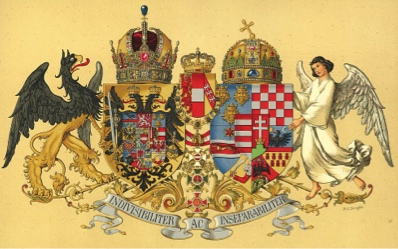
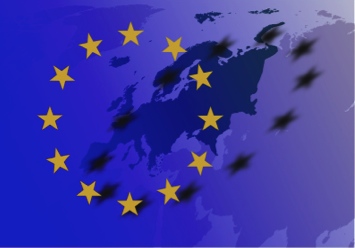
THE DEATH OF THE ‘MITTELEUROPA’ CONCEPT ON THE WAY TO SARAJEVO AND BRUSSELS – AND BEYOND. A Lecture Manuscript. Continue reading
In memoriam Central Europe
Posted in Uncategorized with tags Austria, Bratislava, Central Europe, Eric Hobsbawm, Great Britain, Habsburg, history, portrait, railway, Slovakia, Vienna on 15 April 2013 by delclem“Eric Hobsbawm (1917-2012), the great historian, travels from his native Vienna to Bratislava (formerly Pressburg). A train journey of a mere 35 miles takes him through a tiny landscape that has seen some of the most turbulent political changes of the century – from the lost world of the Habsburgs to Europe’s newest state, Slovakia. ‘Nationalism is not compatible with the progress of history,’ says Hobsbawm.” video portrait (c) VIMEO, 2012
“L’ Europe du goût”
Posted in Uncategorized with tags Austria, Central Europe, Eastern Europe, France, gastronomy, map, Stereotyping, Switzerland, taste on 9 April 2013 by delclem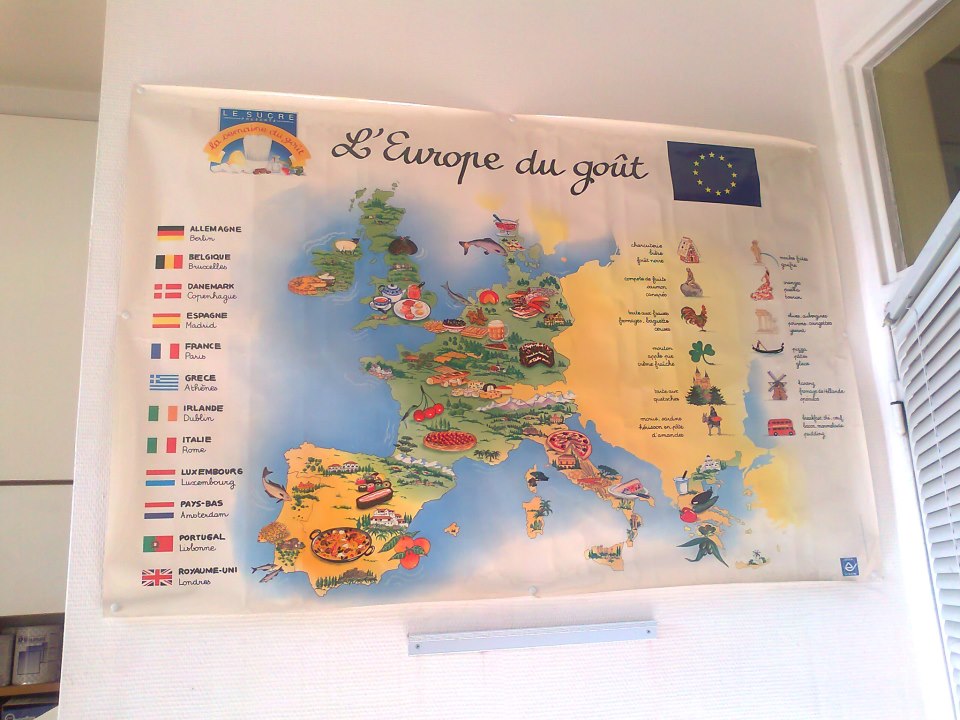
This is a gastronomic map of European “taste” hanging in a French hospital:
Interestingly, Switzerland, Austria, Hungary, and the rest of CEE don’t seem to exist here. Photo (c) Sabine Burg, 2013
 delirium clemens