
“Pop Culture’s Addiction to its Own Past by Simon Reynolds. Does it matter that pop music is stuck in the same old groove?” >review (c) THE OBSERVER, 2012
“Pop Culture’s Addiction to its Own Past by Simon Reynolds. Does it matter that pop music is stuck in the same old groove?” >review (c) THE OBSERVER, 2012
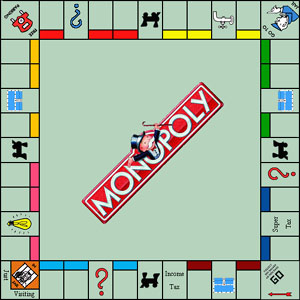
The history of the board game Monopoly Continue reading
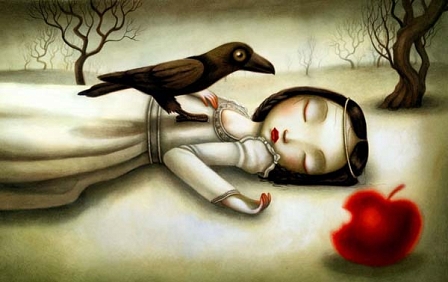
Red Riding Hood, Rapunzel and roots of Nazism are on the agenda at a Kassel
congress on the occasion of the 200th anniversary of the Grimm Bros. classic tales
>text (c) THE GUARDIAN, 2012
Ilustration by Benjamin Lacombe
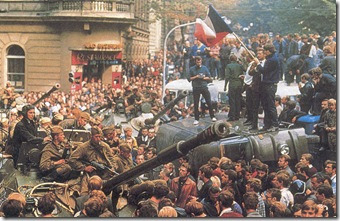
On Milan Kundera‘s seminal and problematic, ie. almost racist,
essay from 1984 >text (c) EUROPEAN STUDIES IN LUND, 2010
In the year of 1995, a small engineering squad has welcomed the Dayton Peace Agreement in the mountains, not far from the ruins of a local factory that was destroyed in combat. In that strange atmosphere, the squad finds a walled-in basement – and in it a man, which quietly sits behind a desk, next to an ashtray filled with cigarette buds, as if he was actually waiting for them. Pandora’s Box is opening. A Serbian-Croatian-Bosnian-Hungarian co-production.
>review >full movie
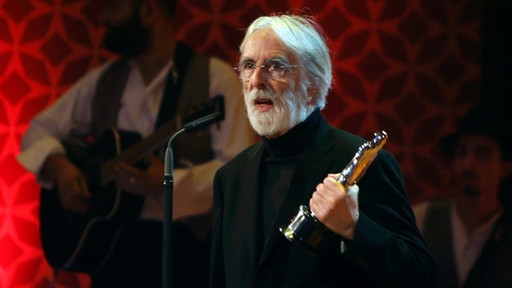
“Horror movies frighten us; violent thrillers agitate us; sentimental stories make us cry. Suffering is often part of our enjoyment. Within limits, however: we are not to be so displeased that we are not pleased. Buñuel deliberately went beyond the limits of permissible displeasure. And so, in his own way, does the Austrian filmmaker Michael Haneke” (winner of the European Film Award 2012 in four categories). Text (c) THE LONDON REVIEW OF BOOKS, 2012
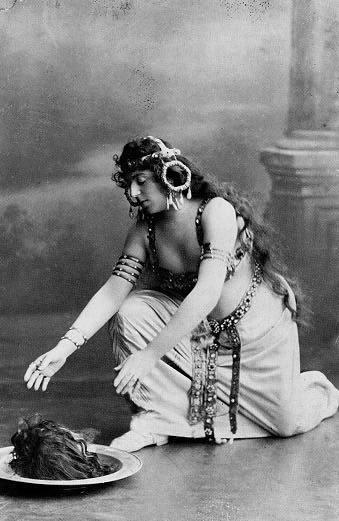 This photo was published in 1987; it is supposed to show Oscar Wilde in costume as Salome. But, in 1992, Oscar’s grandson would confirm the photo (1907) is actually Hungarian opera singer Alice Guszalewicz
in the title role in Salomé
(R. Strauss)
in Leipzig.-
“Paradoxically though it may seem, it is none the less true that life imitates art far more than art imitates life.” (Oscar Wilde)
*
Thanks to Carmilla & the BRAM STOKER ESTATE, 2012,
for sharing this on facebook
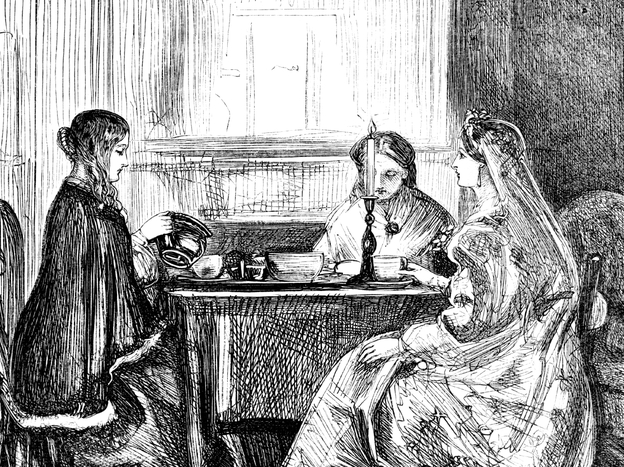
“Given tea’s rap today as both a popular pick-me-up and a health elixir, it’s hard to imagine that sipping tea was once thought of as a reckless, suspicious act, linked to revolutionary feminism. Huh? Well, the feminist complaints came from 19th century, upper class Irish critics who argued that peasant women shouldn’t be wasting their time — and limited resources — on tea. If women had time to sit down and enjoy a tea break, this must mean they were ignoring their domestic duties and instead, perhaps, opening the door to political engagement or even rebellion.”
>full text (c) npr, 2012 >press release by EurekAlert, 2012
This is historical research about the most CEE country of the west, Ireland. How was it in our region where there is the division line between tea and coffee drinkers?
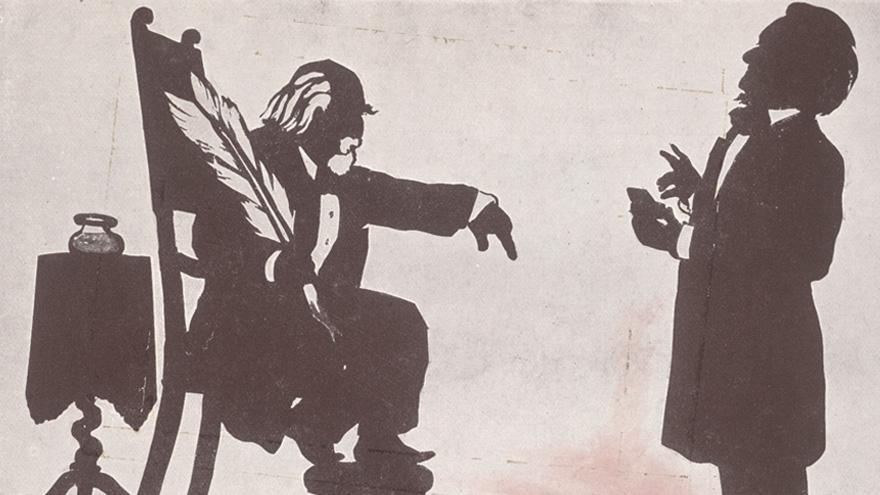
“May 2013 brings the 200th anniversary of the birth of Richard Wagner, the German composer who has always been popular and controversial in equal measure. The Austrian National Library (ÖNB) is already holding an exhibition dedicated to the ambivalent relationship between the German composer and the Viennese public.” >full text (c) wieninternational.at 2012
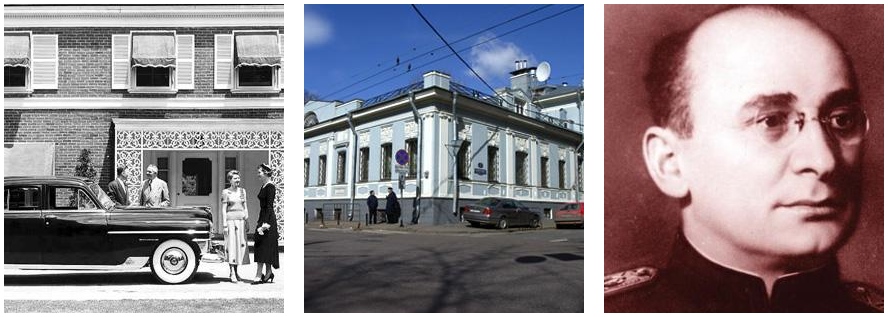
There are more paranormal phenomena in Moscow than just Putin… >stories
(c) wieninternational.at 2012
Well, this article is not about CEE – however, it affects the region…

