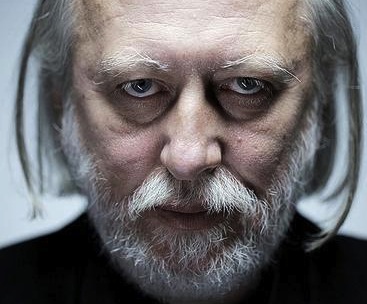
“One evening in October 2010, the Hungarian novelist László Krasznahorkai—a man in his fifties with a biblical look—appeared on the balcony of the Collegium Hungaricum in Berlin, a white modernist building that’s a block north of Unter den Linden. At the same time an image of a dog, in silhouette, was projected from inside the building onto a large window below the balcony. Without introduction or explanation, Krasznahorkai then began to speak.”>more/ review (c) NYROB, 2013
Archive for June, 2013
“When the Devil Danced in Hungary”
Posted in Uncategorized with tags Hungary, László Krasznahorkai, Literature, review, Satantango on 30 June 2013 by delclemMonument-Building Boom in the Balkans
Posted in Uncategorized with tags Balkans, bosnia-hercegovina, Croatia, cultural analysis, Kosovo, memory politics, war monuments on 29 June 2013 by delclem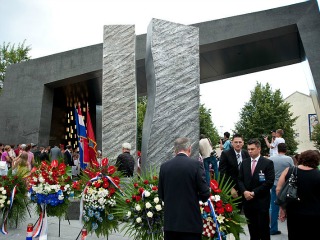
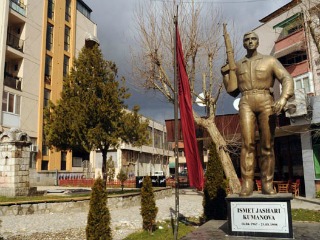
“Hundreds of war memorials have been built since the Balkan conflicts, but some governments exert no control over how much public money is spent or whether new monuments provoke ethnic tensions.” >text (c) balkaninsight.com 2013
(reblogged)
Franz Ferdinand’s Journey around the World
Posted in Uncategorized with tags Archduke Franz Ferdinand, Austria, diary, review, travel, World on 28 June 2013 by delclem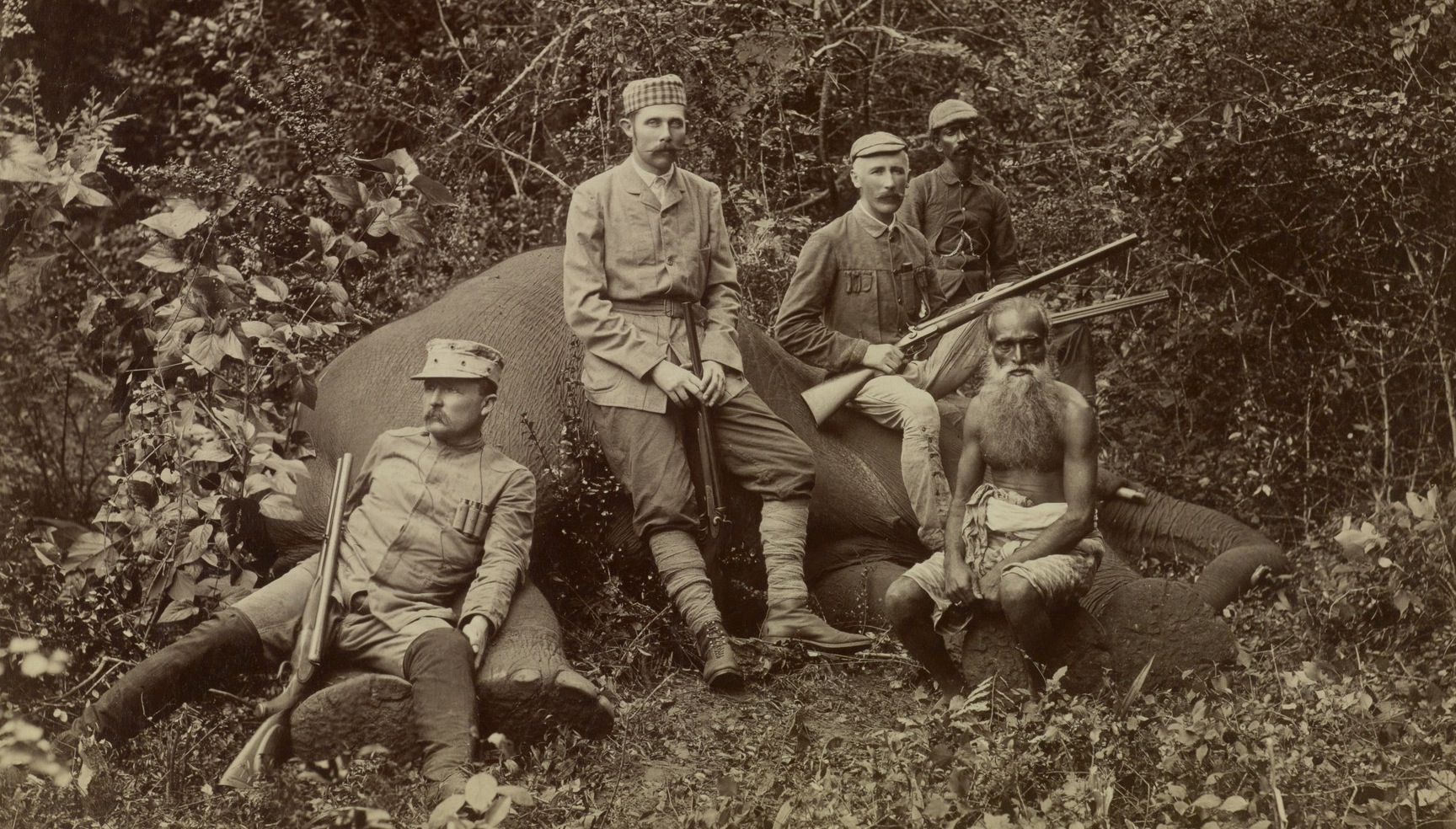
Archduke Franz Ferdinand, “the Austrian crown prince whose assassination triggered World War I, started a trip across the world in 1892. His newly published diary from the journey reveals a world of extremes, from island cannibals to skyscrapers.”>full text (c) SPIEGEL INT’L, 2013 Photo (c) DOROTHEUM, 2010
65 years since the “Luftbrücke”
Posted in Uncategorized with tags 1948, air lift, Berlin, Berlin Blockade, Cold War, Germany, Luftbrücke on 27 June 2013 by delclem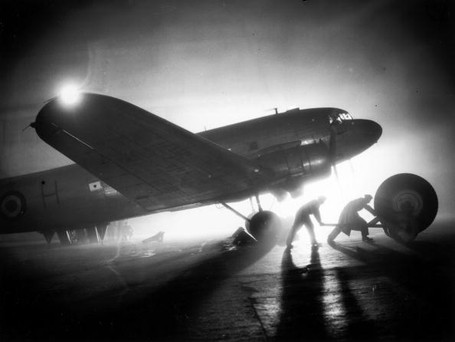
Amazing photos from the Berlin Blockade 1948-49 (c) THE INDEPENDENT, 2013
Faceless
Posted in Uncategorized with tags art, Austria, exhibition, faceless, governance, identity, powe, Vienna on 25 June 2013 by delclem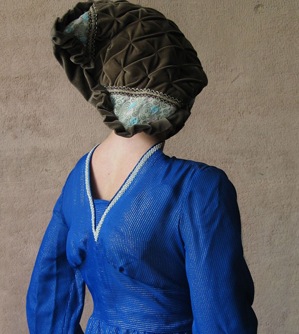 This exhibition at the Vienna MUQA “explores the phenomenon of inescapable recognizability in the media and the resulting strategies of media users to become virtually faceless.
FACELESS takes a radical look at this fairly recent phenomenon of everyday media culture and shows how it manifests in visual art, fashion, photography, advertising, and dance.”
4 July – 1 Sept >more
Picture: Lady Glittersky, 2009, C-print, 121x92cm
(c) Thorsten Brinkmann, VBK, Wien 2013 and VG Bildkunst Bonn 2012
55th Venice Biennale
Posted in Uncategorized with tags art, Biennale, exhibition, Italy, review, Venice on 22 June 2013 by delclem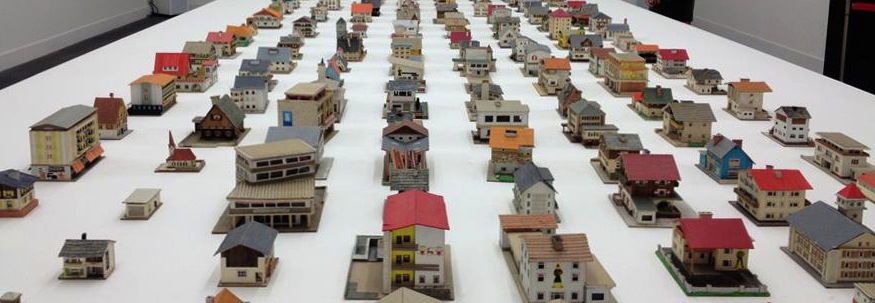
Model houses of Austrian officer Peter Fritz at the main pavilion in the Giardini. It’s Biennale time again in the historical lagoon city. >full text & more photos
(c) wieninternational.at 2013 >alternative text (c) THE GUARDIAN, 2013
How Ordinary Germans Did “It”
Posted in Uncategorized with tags compliance, complicity, Germany, Harald Welzer, Holocaust, National Socialism, ordinary people, soldiers, Third Reich on 20 June 2013 by delclem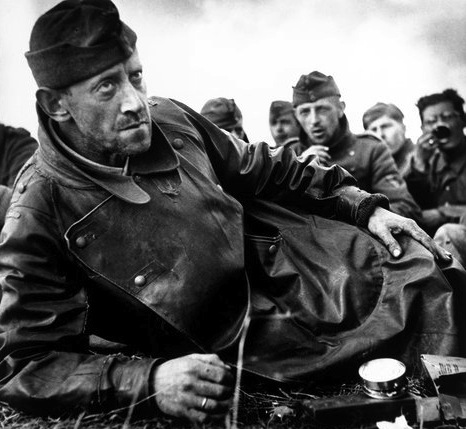
“Growing consciousness of the Holocaust in both academic scholarship and society in general became evident in the late 1970s and intensified in the 1980s. Initially, important research focused on the different roles of Hitler, Nazi ideology, and the structure of the dictatorship in shaping the decision-making process that led to the Holocaust. Research also concentrated on the complicity of various professions and institutions in the Third Reich, and particularly on the SS. Still lacking was careful empirical study of how Nazi racial policy was also carried out by “ordinary” Germans.” >text (c) NEW YORK REVIEW OF BOOKS, 2013
Happy Bloomsday 2013!
Posted in Uncategorized with tags Austria, Central Europe, Hungary, James Joyce, Leopold Bloom, Literature, Szombathely, Trieste on 16 June 2013 by delclem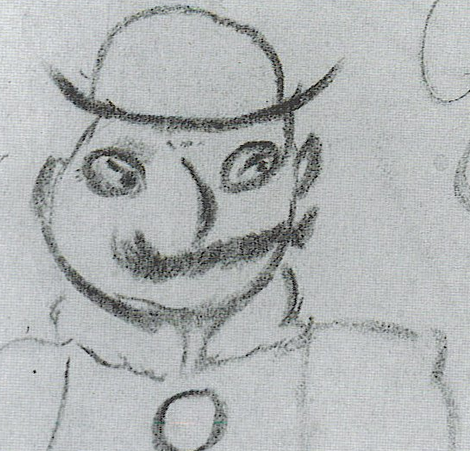
Enjoy your Ulyssey: James Joyce’s hero Leopold Bloom is probably the most closet Central European protagonist of Anglophone literature.
Minnesota man accused of Nazi war crimes
Posted in Uncategorized with tags collaboration, Germany, Holocaust, Michael Karkoc, Second World War, Ukraine, war crimes on 14 June 2013 by delclem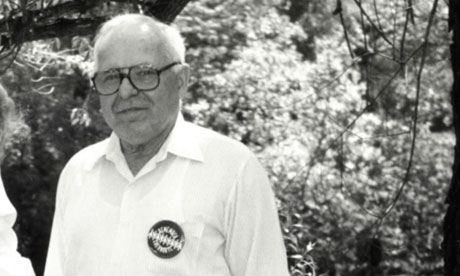
Michael Kardoc, commander of a SS-led unit “accused of burning villages filled with women and children, lied to American immigration officials to get into the United States and has been living in Minnesota since shortly after World War II, according to evidence uncovered by The Associated Press.” Behind this archetypical story the ugly face of Ukrainian nationalist Nazi collaboration in the Holocaust appears once again. >full text & video (c) HUFFINGTON POST, 2013
>Additional information (c) CANADA.COM 2013
Austrofascism revisited
Posted in Uncategorized with tags Austria, Austrofascism, Emmerich Tálos, Engelbert Dollfuss, First Republic, history, Kurt Schuschnigg, Moscow, Vienna on 12 June 2013 by delclem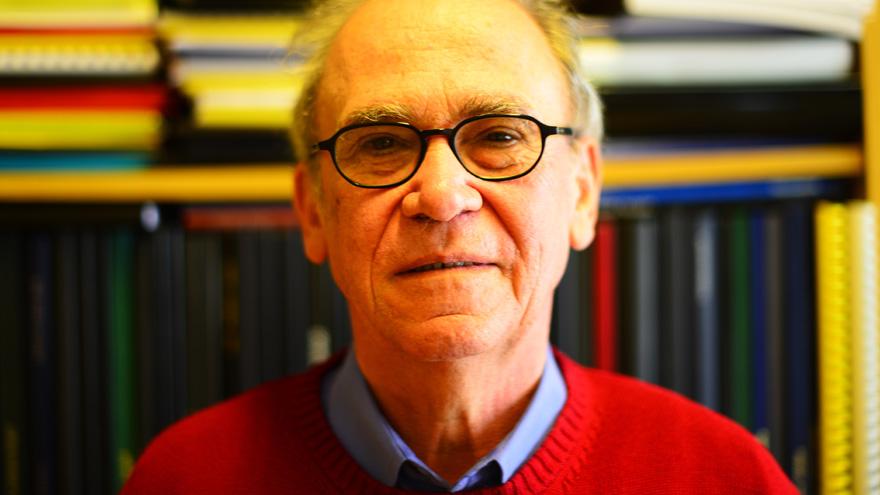
Austrofascism (1933 – 1938) “was not just a corporative state [Ständestaat] but a ‘despicable, unpopular, authoritarian Austrian dictatorship’. This is the conclusion reached by the retired Austrian political scientist Emmerich Tálos in his new book entitled Das austrofaschistische Herrschaftssystem. Tálos studied some 200 boxes of historical archive material returned by the Russian authorities from Moscow to Vienna in 2009.” Interview (c) WIENINTERNATIONAL.AT, 2103

