Archive for France

A Curious Creation of Conflict

Posted in Uncategorized with tags , , , , , , , on 31 October 2013 by delclem

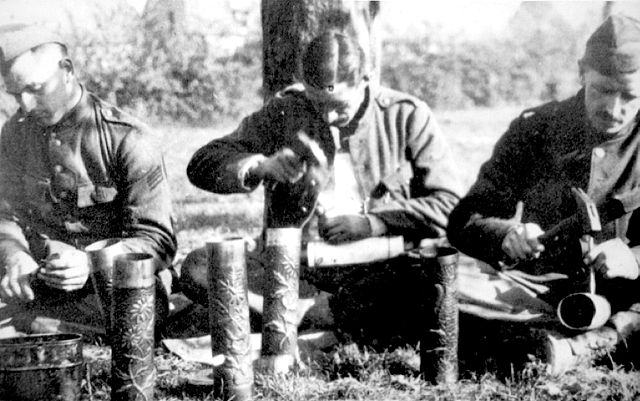
trenchart08-1

“During the hellish Battle of Verdun that raged from February to December of 1916, approx. 60 million shells were blasted between the French and the Germans, leaving the people and the ground around them mutilated. This was a new and grisly type of war, yet there was an unexpected by-product of these mounds of used shell cases: trench art.” >text (c) hyperallergic.com 2013
‘The Fragmentary, Mystical Thought of W.B.’

Posted in Uncategorized with tags , , , , , , , on 1 August 2013 by delclem

“The 1993 experimental film above—One Way Street: Fragments for Walter Benjamin—is part documentary, part low-budget cable-access editing exercise. The film provides an introduction to Benjamin’s life and thought through interviews with scholars, re-enactments of his last days, and montages centered around his many aphoristic expressions.” >full text (c) open culture 2013

>another film: Flâneur III: Benjamin’s Shadow (1998)


International Exhibition Incident

Posted in Uncategorized with tags , , , , , , , , , , on 30 April 2013 by delclem

image-1
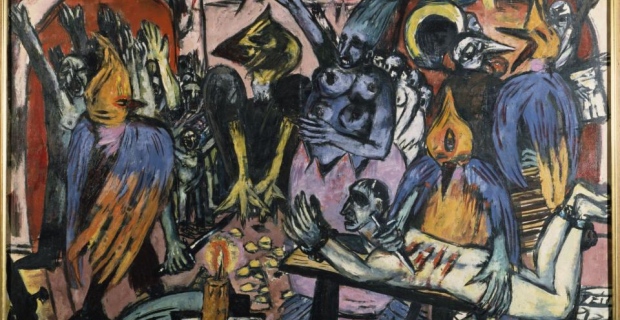
New tensions between EU pillars Germany and France fought in the cultural field? De L’Allemagne, “an exhibition of art in the Louvre has provoked fury in Germany for portraying the country as a dark and dangerous neighbour – has it ignored key movements deliberately, or is it all a matter of taste?”
photo: detail from Max Beckmann’s The Hell of Birds (c) The Louvre
>full text (c) THE IRISH TIMES, 2013


Just Identity Issues…?

Posted in Uncategorized with tags , , , , , , , on 25 April 2013 by delclem

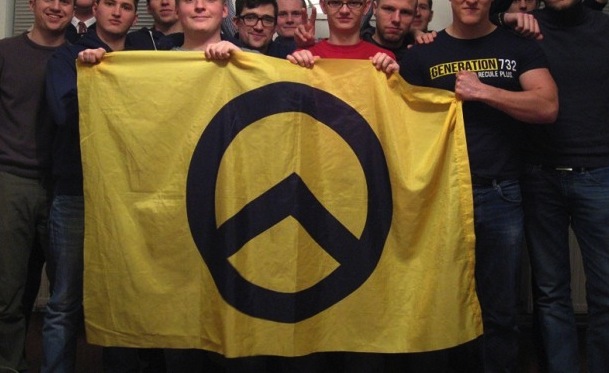
VR_13_3_p5_Identitaer_group_web-620x465

“A new (dangerous?) breed of activist right-wing extremism is spreading across Europe: Die Identitären.” >text (c) THE VIENNA REVIEW, 2013

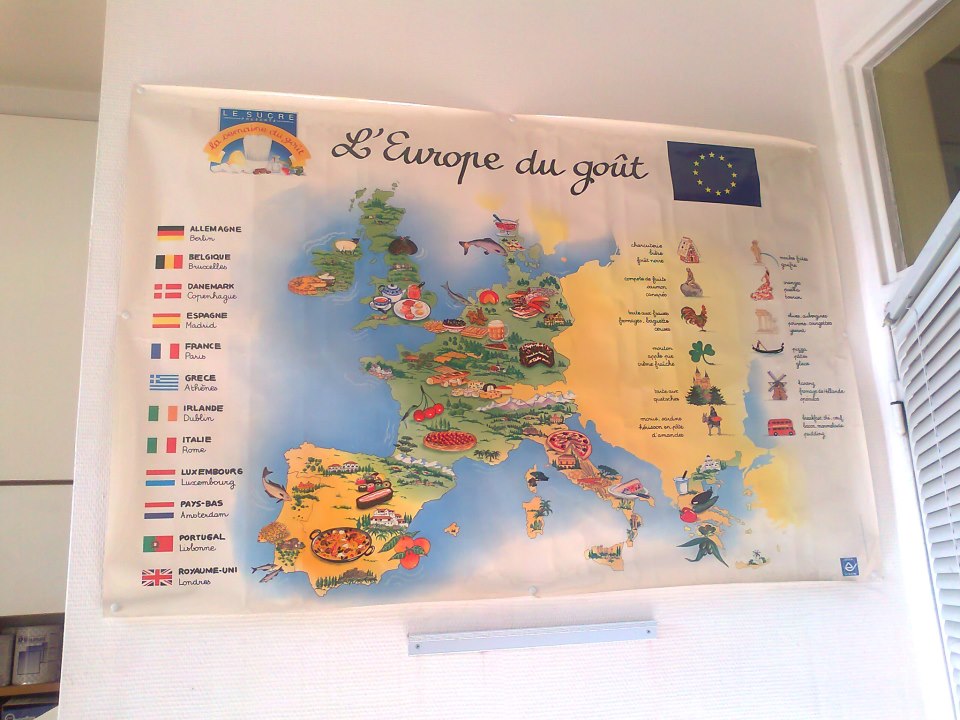
“L’ Europe du goût”

Posted in Uncategorized with tags , , , , , , , , on 9 April 2013 by delclem

541300_586611158016380_394936666_n
This is a gastronomic map of European “taste” hanging in a French hospital:
Interestingly, Switzerland, Austria, Hungary, and the rest of CEE don’t seem to exist here. Photo (c) Sabine Burg, 2013


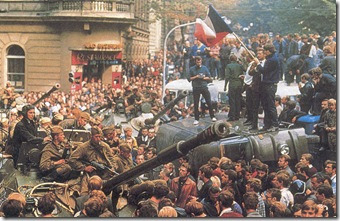
“The Tragedy of Central Europe” (1945-1989)

Posted in Uncategorized with tags , , , , , , , , , on 19 December 2012 by delclem

spring1956inprague_thumb

On Milan Kundera‘s seminal and problematic, ie. almost racist,
essay from 1984 >text (c) EUROPEAN STUDIES IN LUND, 2010

“Save Walter Benjamin from his fans!”

Posted in Uncategorized with tags , , , , , , , , on 26 September 2012 by delclem


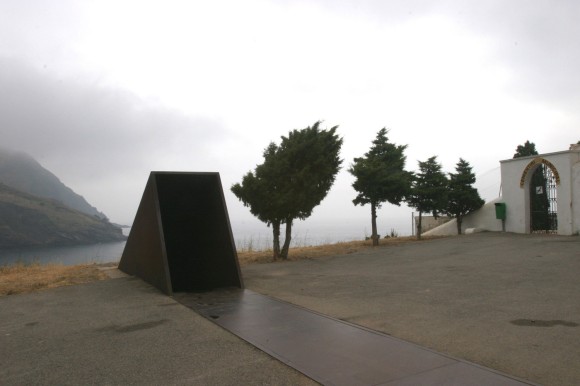
Today it is 72 years ago that Walter Benjamin committed suicide at the French-Spanish border. Stephan Wackwitz dissevers literature from science, holiness from genius in the legends of this literary critic who has served as pillar saint for many.

Text (c) DIE WELT / signandsight.com, 2010

Image: the monument Passages by Israeli artist Dani Karavan in Portbou, Spain, commemorating Walter Benjamin. Photo (c) picture-alliance / akg-images

Rewarded Love

Posted in Uncategorized with tags , , , , , , , on 17 September 2012 by delclem


Austrian French director MICHAEL HANEKE won the Special Award at the Cannes Film festival with his new movie Amour: see the review (c) NYT, 2012


“The Shadowy Soul of Joseph Roth”

Posted in Uncategorized with tags , , , , , , , on 13 September 2012 by delclem

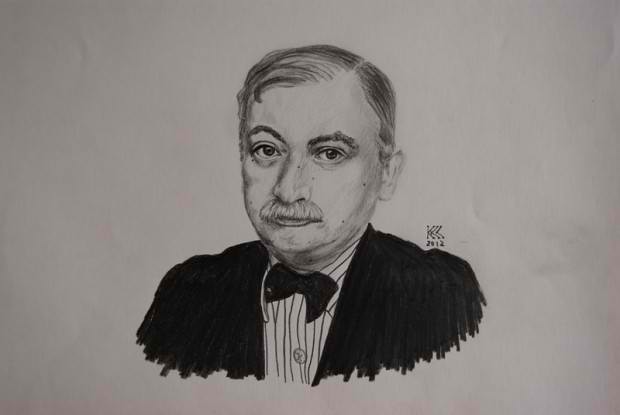
“In a collection of his letters newly-translated and edited by [our dear young colleague] Michael Hofmann, Joseph Roth is given a new stage for his linguistic genius and vigilant criticism, as well as his inability to use that critical vision to save himself from himself.” Review (c) THE VIENNA REVIEW, 2012

The X-files of art history

Posted in Uncategorized with tags , , , , , , , on 7 January 2012 by delclem

‘EUROPE & THE SPIRIT WORLD,
or: the Fascination with the Occult, 1750-1950’

“This is a cross-disciplinary exhibition exploring the influence of the occult on artists, thinkers, writers and scholars throughout Europe, at decisive moments in the history of the modern world. The exhibition is organized into three sections:

Continue reading