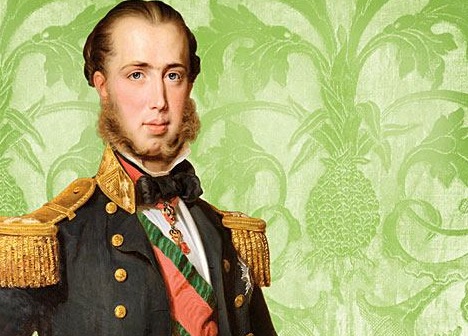
A “beautiful corpse” from the Habsburg collection is on display in Vienna.
Archive for Habsburg
“Mexiko Max”
Posted in Uncategorized with tags Austria, exhibition, Franz Joseph I of Austria, Habsburg, House of Habsburg, Maximilian of Mexico, Mexico, review, Vienna on 28 July 2013 by delclemCollateral Roadkill?
Posted in Uncategorized with tags Austria-Hungary, Central Europe, Claudio Magris, discourse, European Union, Frantisek Palacky, Friedrich Naumann, Habsburg, István Bibó, Jean-Luc Nancy, Lebbeus Woods, Maria Todorova, Milan Kundera, Mitteleuropa, narrative analysis on 26 May 2013 by delclem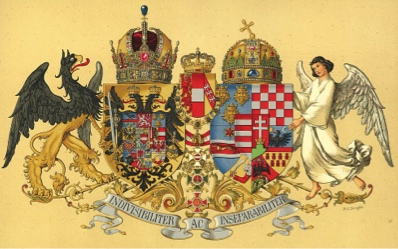

THE DEATH OF THE ‘MITTELEUROPA’ CONCEPT ON THE WAY TO SARAJEVO AND BRUSSELS – AND BEYOND. A Lecture Manuscript. Continue reading
In memoriam Central Europe
Posted in Uncategorized with tags Austria, Bratislava, Central Europe, Eric Hobsbawm, Great Britain, Habsburg, history, portrait, railway, Slovakia, Vienna on 15 April 2013 by delclem“Eric Hobsbawm (1917-2012), the great historian, travels from his native Vienna to Bratislava (formerly Pressburg). A train journey of a mere 35 miles takes him through a tiny landscape that has seen some of the most turbulent political changes of the century – from the lost world of the Habsburgs to Europe’s newest state, Slovakia. ‘Nationalism is not compatible with the progress of history,’ says Hobsbawm.” video portrait (c) VIMEO, 2012
Bosnia-Hercegovina under Habsburg rule, 1878-1918
Posted in Uncategorized with tags Austria-Hungary, Bosnia-Herzegovina, Colonialism, Habsburg, history on 11 January 2012 by delclem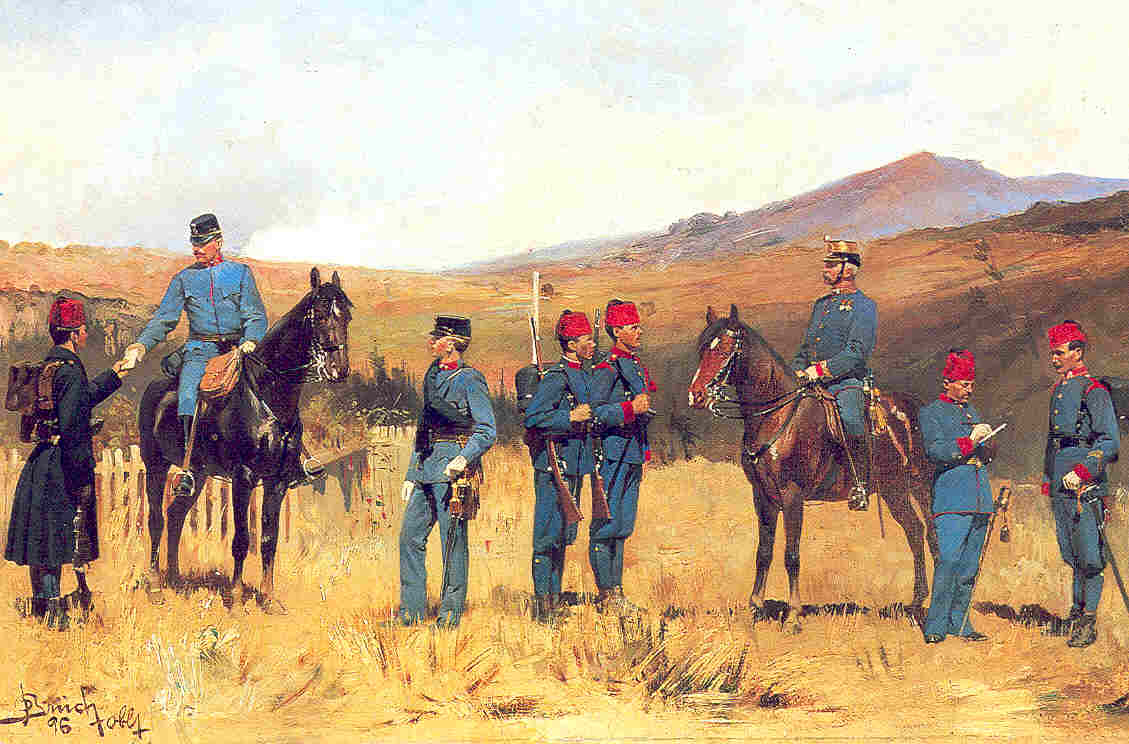
“With the arrival of Habsburg occupiers in 1878, Bosnia-Herzegovina became Austria-Hungary’s first and only colony. It rapidly became the sole outlet for the energies, ideas, and resources of aspiring colonizers in the ‘motherland’.”
Pretty good “Postcolonial” historical survey reblogged from (c) bosniafacts.info, 2012
Photo (c) Heeresgeschichtl. Museum, Vienna
Also see my own posting on the subject matter.
Habsburg, postcolonial
Posted in Uncategorized with tags Banja Luka, bosnia-hercegovina, Central Europe, Colonialism, Habsburg, Literature, Magris, Zaloscer on 17 April 2011 by delclem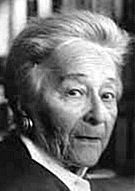 > GERMAN VERSION
The idea is not really new. ‘Postcolonial approaches’ to the late Habsburg Monarchy are already to be found in Robert Musil’s famous novel Der Mann ohne Eigenschaften (“The Man Without Qualities”), and we can find instances of such a view with other contemporary observers as well, such as the Viennese art historian Hilde Zaloscer. Born in 1903 to a middle class, German-speaking Jewish family in Banja Luka, Bosnia, Zaloscer and her family fled to Vienna after the First World War, and then, in 1938, further to Alexandria, Egypt.
In her autobiography entitled Eine Heimkehr gibt es nicht (“There’s No Coming Home,” Vienna 1988), she repeatedly compares her “happy childhood days […] ‘on a volcano’”* with her Egyptian exile which at the time was de facto still under colonial rule:
“Basically it was the same constellation as in Bosnia before the First World War. There, too, a foreign ethnic group – in this case, the Austrians – in a country appropriated through violence, kept the people at an educationally inferior level by means of skillful politics.” (p. 129)* Continue reading

