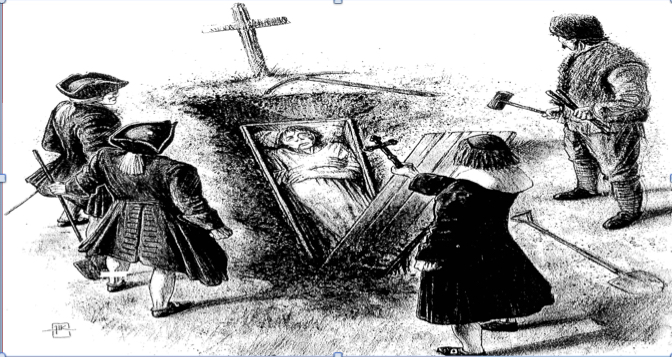
 Thomas M. Bohn: Der Vampir. Ein europäischer Mythos. Köln, Weimar, Wien: Böhlau 2016. 368 S. Review in German
Archive for Eastern Europe
Finally: a good book on historical vampirism in the 18th century
Posted in Uncategorized with tags 18th century, Balkans, Eastern Europe, Vampirism on 28 March 2017 by delclemThomas M. Bohn: Der Vampir. Ein europäischer Mythos. Köln, Weimar, Wien: Böhlau 2016. 368 S. Review in German“How History Broke Us”
Posted in Uncategorized with tags America, anti-Semitism, Belarus, Central Europe, Eastern Europe, family history, Holocaust, Jews, Judaism, pogroms on 7 December 2013 by delclem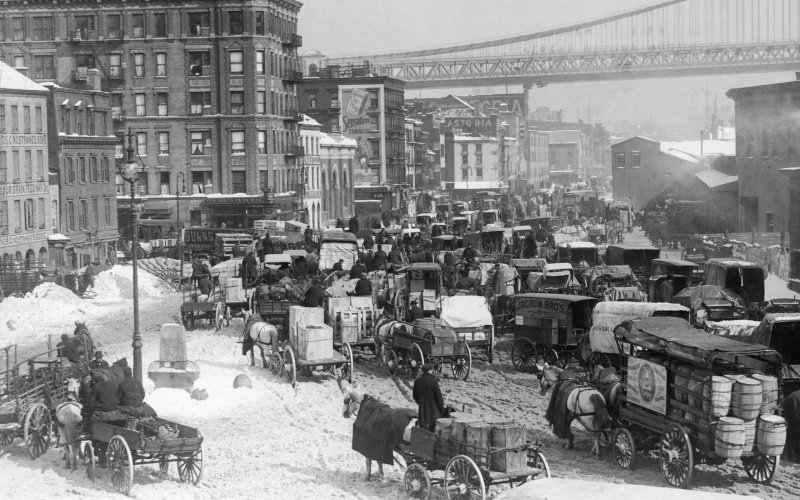
“How to tell the story of the rise and destruction of European Jews? Perhaps the most compelling way is through family history, as David Laskin does in his fascinating new book.” >review & photo (c) THE DAILY BEAST, 2013
The Strange Power of ‘Fiddler on the Roof’
Posted in Uncategorized with tags Ashkenasim, Eastern Europe, Fiddler in the roof, Jews, Russia, Sholem Aleichem, Yiddish on 2 November 2013 by delclem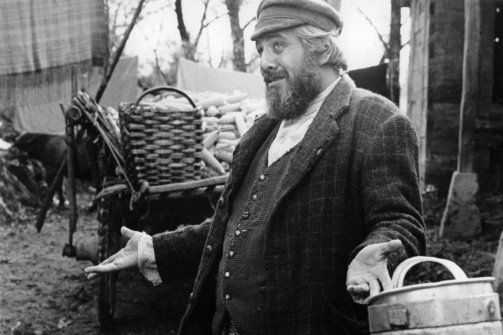
“What is it about Sholem Aleichem’s stories of a poor milkman in the shtetl that has audiences bewitched for nearly 50 years after the smash musical debuted on Broadway? The new cultural history of Fiddler.” >text (c) The Daily Beast 2013
Discrimination against Roma traced back
Posted in Uncategorized with tags Central Europe, discrimination, Eastern Europe, gypsies, history, Košice, marginalization, Roma, Slovakia on 1 November 2013 by delclem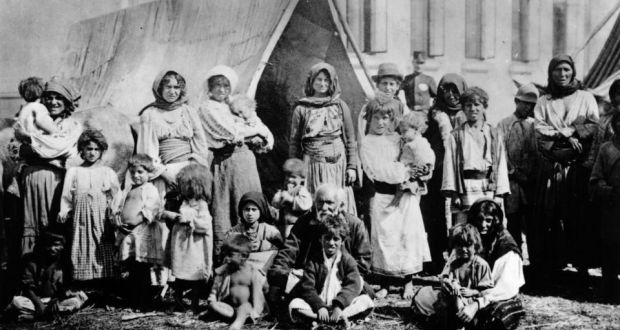
“Discrimination against Sinti & Roma is an inextricable part of their millennium-old history in Europe. The discrimination could be seen as an understandable reaction of the settled population to nomadic strangers. However the Roma and their advocates argue that the nomadic lifestyle is a consequence, rather than cause, of the discrimination.” >full text (c) THE IRISH TIMES, 2013
More: How Racist Assumptions fuelled the ‘Maria’ Disaster >text (c) SPIEGEL,2013
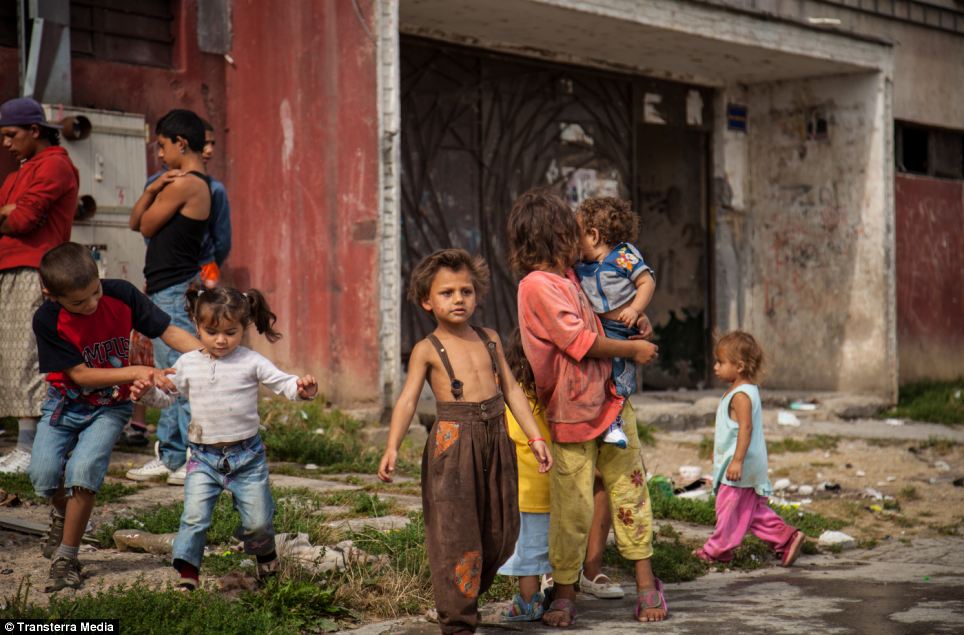
Another article: the Slovak city of Košice as ‘slumdog millionaire’?
>text & disturbing photos (c) THE DAILY MAIL, 2013
Why DracuLand still stokes British anxieties
Posted in Uncategorized with tags Bulgaria, Dracula, Eastern Europe, Great Britain, immigrants, migration, Romania, Stereotyping, UK on 17 May 2013 by delclem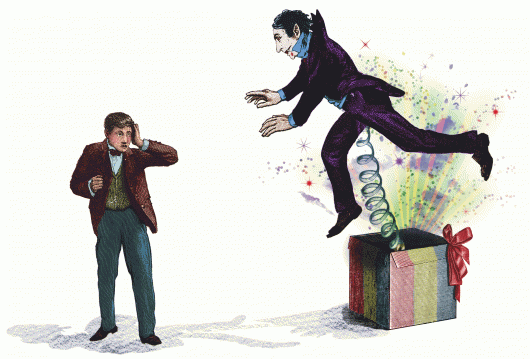
Past and present attitudes to Romanian and Bulgarian immigration in the UK
>full text & illustration (c) BBC HISTORY, 2013
“L’ Europe du goût”
Posted in Uncategorized with tags Austria, Central Europe, Eastern Europe, France, gastronomy, map, Stereotyping, Switzerland, taste on 9 April 2013 by delclem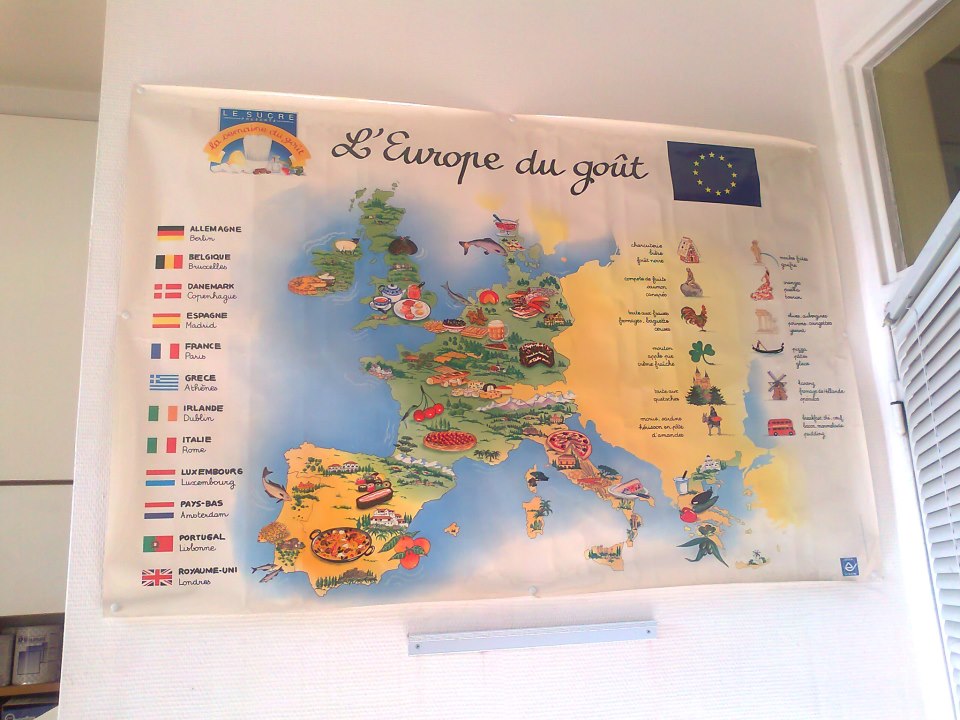
This is a gastronomic map of European “taste” hanging in a French hospital:
Interestingly, Switzerland, Austria, Hungary, and the rest of CEE don’t seem to exist here. Photo (c) Sabine Burg, 2013
Stalin’s Shadow
Posted in Uncategorized with tags Anne Applebaum, Central Europe, Communism, Eastern Europe, histroy, Iron curtain, Joseph Stalin, Soviet Union, World War II on 18 January 2013 by delclem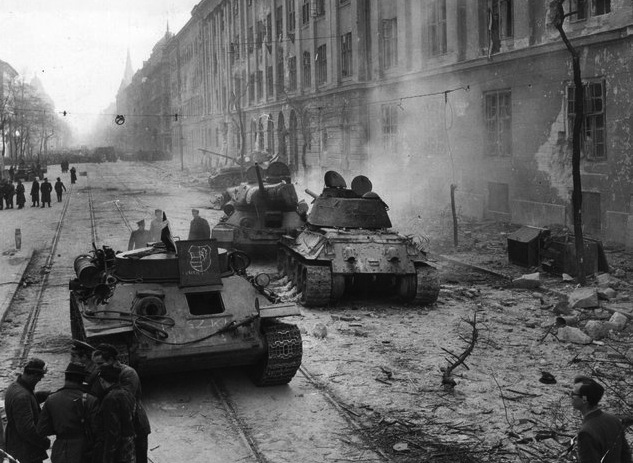
“Having brilliantly documented the horror of Stalin’s Soviet terror machine in her Pulitzer Prize-winning Gulag, author Anne Applebaum now offers a bulky sequel, Iron Curtain, about the brutal effort of that same machine to crush and colonize Eastern Europe in the first decade after World War II. Her evidence, once again drawn from archival research and some survivor interviews, is overwhelming and convincing. But the heart of her story is hardly news.” >review & photo (c) NYT, 2012
Can Eastern Europe’s Greatness Return?
Posted in Uncategorized with tags Eastern Europe on 1 January 2012 by delclem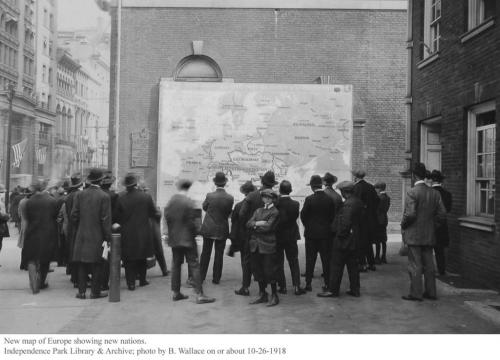
“A critical reading of European history and an eye-witness report of pre-1989 citizen protests in the Eastern bloc highlight overlooked narratives and the undervalued potential of the region.” Essay by Guy Kiddey (c) VIENNA REVIEW, 2011


What Putin, Lukashenko and Yanukovych Share
Posted in Uncategorized with tags Alexander Lukashenko, authoritarianism, Belarus, Eastern Europe, leadership, political commentary, Russia, Ukraine, Viktor Yanukovych, Vladmir Putin on 3 November 2013 by delclem“Last Friday marked the 10th anniversary of the imprisonment of former Yukos CEO Mikhail Khodorkovsky. Meanwhile, former presidential candidate Nikolai Statkevich, leader of the Belarussian Social Democratic Party, will start the third year of a six-year sentence in a medium security penal colony. In Ukraine, Yulia Tymoshenko will have completed two years of her seven-year sentence for “abuse of power” and “embezzlement” unless released under the pressure of the European Union. All three are widely considered to be political prisoners. But while focus has often been on the wrongfulness of their detentions, less has been written about the motives of those behind them: Presidents Vladimir Putin, Alexander Lukashenko and Viktor Yanukovych.” >full text (c) THE MOSCOW TIMES, 2013
Leave a comment »