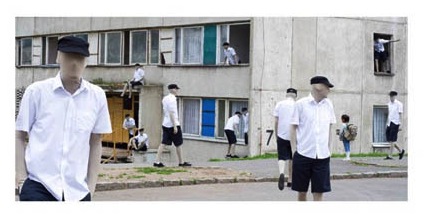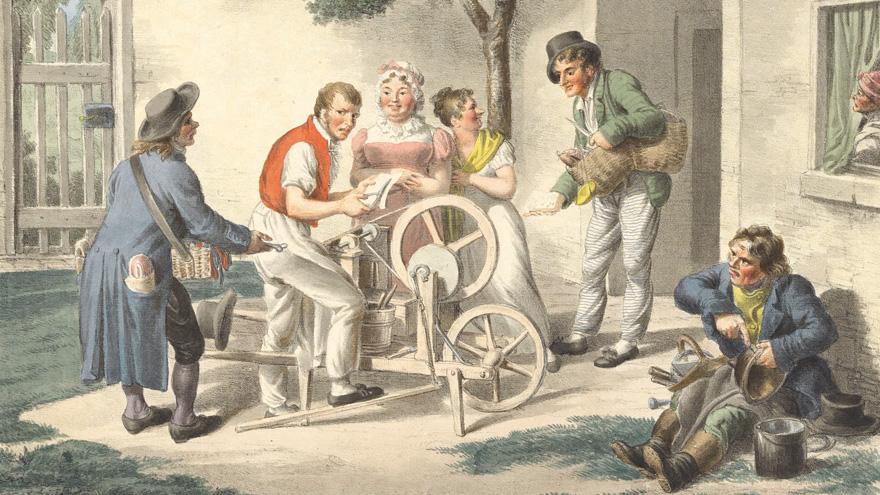
The Fiaker driving his horse-drawn carriage around Hofburg Palace, the café waiter serving a Melange, the local musicians entertaining guests at the local wine taverns (the Heuriger): stereotypical images that come up when you think of Vienna (and that are played on by the Austrian tourism industry). The exhibition Vienna Types – Cliché and Reality at the WienMuseum explains why, as it traces the stereotypoes back to the social history of the city. >full text
(c) wieninternational.at 2013 >German version
Archive for the Uncategorized Category
Viennese (Stereo)Types
Posted in Uncategorized with tags Austria, clichés, Fiaker, Gigerl, Stereotyping, Vienna on 1 June 2013 by delclemWhite Armband Day 1992 / 2013
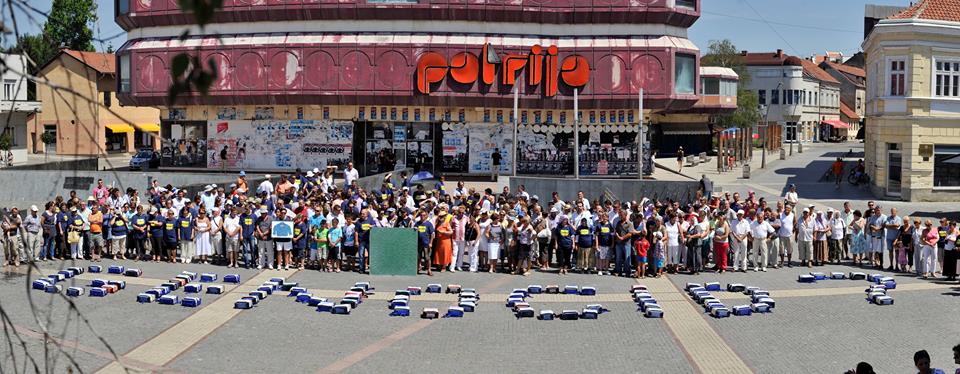
Posted in Uncategorized with tags 1992, Bosnia-Herzegovina, commemoration, genocide, memory, Prijedor, Yugoslav Wars on 31 May 2013 by delclem
“The White Armband Day campaign aims to give a voice to victims of mass atrocities around the world in their struggle for the truth, dignity & remembrance. We call upon you to wear a white armband on 31 May and place a white sheet on your window for ten minutes in memory of the non-Serb citizens of Prijedor, Bosnia-Herzegovina, who were subjected to a campaign of extermination in 1992, and all victims throughout the world who are facing denial of their suffering. The actions of the authorities in the city of Prijedor then, in 1992, when this brutal campaign of violence was implemented and now, when the city government denies the crimes that have taken place, is a universal example of the oppression we are fighting in all corners of the world.” >more (c) STOP GENOCIDE DENIAL
“Yellow Street”
Posted in Uncategorized with tags Austria, Elias Canetti, exile, Great Britain, Literature, London, portrait, Veza Canetti, Vienna, Yellow Street on 30 May 2013 by delclem
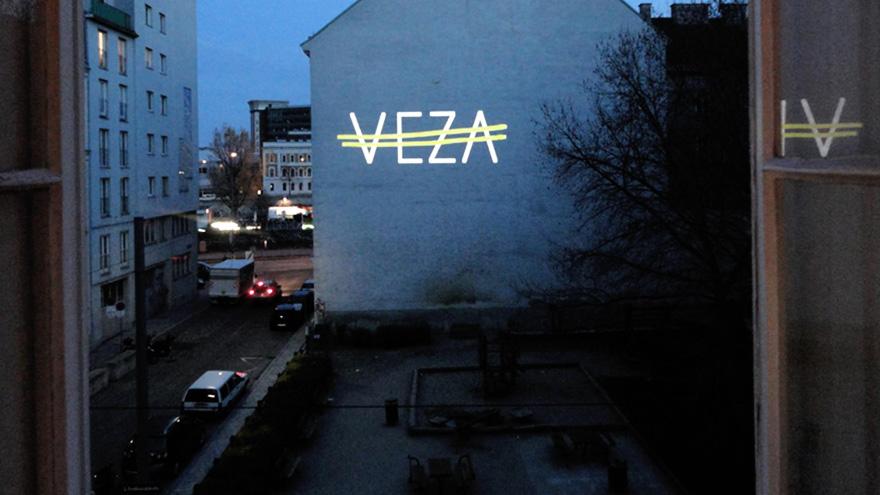
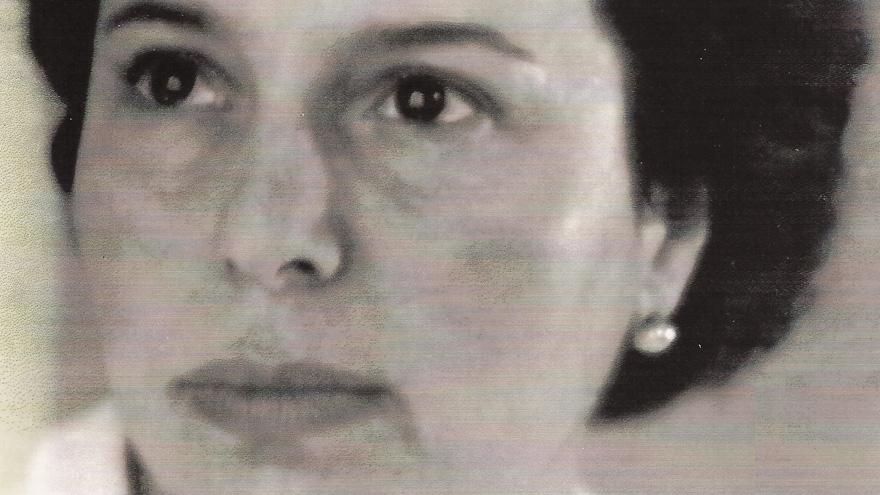
“Mean husbands, despairing servant girls, lecherous café owners and a snapping dog: these are just some of the protagonists who breathe life into the novel “Yellow Street”(1990) by Veza Canetti (1897-1963).” >text & photo album
(c) wieninternational.at 2013
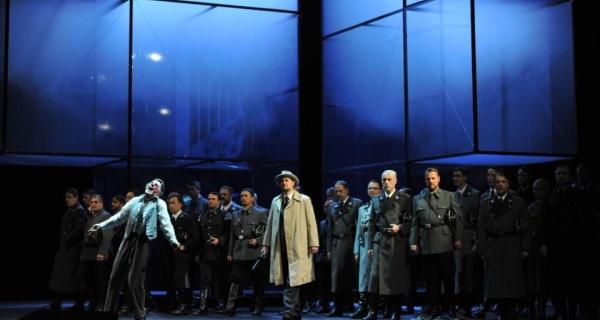
“Blindly”: Reflections
Posted in Uncategorized with tags Blindly, Claudio Magris, criticism, essay, Italy, Literature, Trieste on 28 May 2013 by delclem
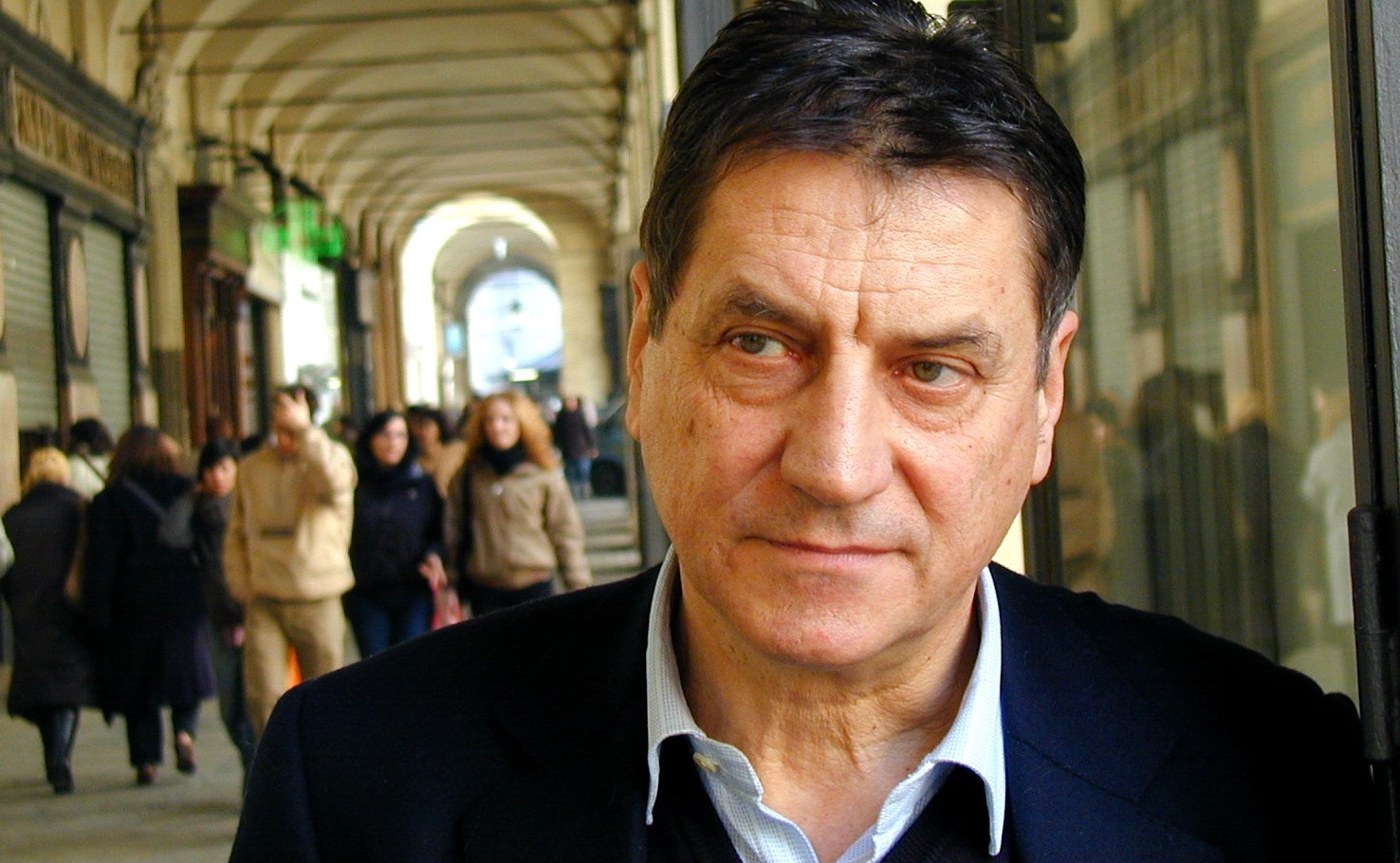
Triestine author & literary critic Claudio Magris, probably the last truly Central European intellectual, on his latest novel Blindly (2005), which was presented in English translation lately >essay (c) THE THREEPENNY REVIEW, 2013
Cf. my review of the book (in German) (c) Ruthner & STANDARD, 2007
Collateral Roadkill?
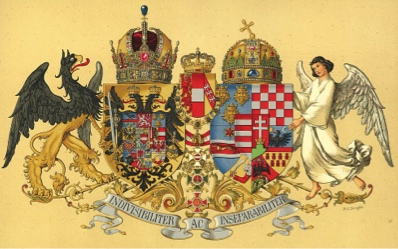
Posted in Uncategorized with tags Austria-Hungary, Central Europe, Claudio Magris, discourse, European Union, Frantisek Palacky, Friedrich Naumann, Habsburg, István Bibó, Jean-Luc Nancy, Lebbeus Woods, Maria Todorova, Milan Kundera, Mitteleuropa, narrative analysis on 26 May 2013 by delclemTHE DEATH OF THE ‘MITTELEUROPA’ CONCEPT ON THE WAY TO SARAJEVO AND BRUSSELS – AND BEYOND. A Lecture Manuscript. Continue reading
Citizen K.
Posted in Uncategorized with tags art, Czech Republic, identity, prank on 24 May 2013 by delclem
“Czech art pranksters, whose Ztohoven art collective gained international notoriety for implanting images of a fictional atomic blast on live television, faced legal action for their prank in which they were toying with the concept of identity.”
>text (c) ART OF THE PRANK, 2010
Making history: Gizi Fleischmann (1892-1944)
Posted in Uncategorized with tags Bratislava, Holocaust, Pozsony, Pressburg, Second World War, Slovakia on 19 May 2013 by delclem
Strong Central European women making history: the case of an inhabitant of Bratislava/ Pressburg/ Pozsony, Slovakia, who helped saving thousands of Jewish lives in the Holocaust. (My apologies for the bad style/translation.) >full text
(c) wieninternational.at 2013
Why DracuLand still stokes British anxieties
Posted in Uncategorized with tags Bulgaria, Dracula, Eastern Europe, Great Britain, immigrants, migration, Romania, Stereotyping, UK on 17 May 2013 by delclem
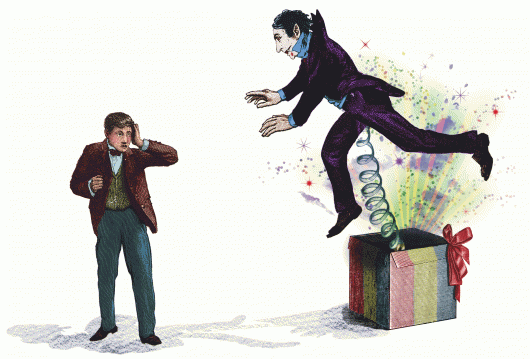
Past and present attitudes to Romanian and Bulgarian immigration in the UK
>full text & illustration (c) BBC HISTORY, 2013