
This is a beer ad on a bill board near Bratislava airport; the slogan says it all…
and the head belongs to the owner of the (Czech) brewery.
“Cherchez la femme” à la slovaque: a travesty of sorts.
Photo (c) by the author.
This is a beer ad on a bill board near Bratislava airport; the slogan says it all…
and the head belongs to the owner of the (Czech) brewery.
“Cherchez la femme” à la slovaque: a travesty of sorts.
Photo (c) by the author.
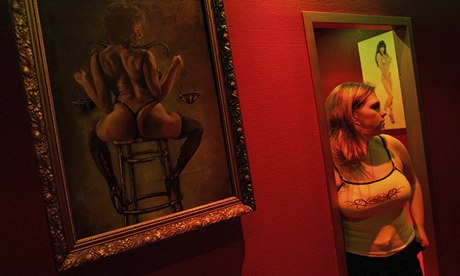
“Germany rethinks its liberal ways on sex workers. Prostitution was decriminalised in ‘the bordello of Europe’ in 2002. Now feminists want to overturn that law.” The sex workers resist. >text & photo (c) THE GUARDIAN, 2013

“Tt’s the Ukranian feminist group that embarrassed President Putin. Its activists have staged many protests against sexual and political repression by stripping to their waists in carefully choreographed media stunts. (…) Now, a new documentary screening at the Venice Film Festival has revealed that Femen was founded and is controlled by a man.”
Is this a Putinesque publicity stunt to discredit feminist activism or just the truth – or another sly twist of the gender game by the group itself?
>full text & photo (c) INDEPENDENT, 2013
Cf. another article (c) THE GUARDIAN, 2013
And another one (c) DER SPIEGEL, 2013
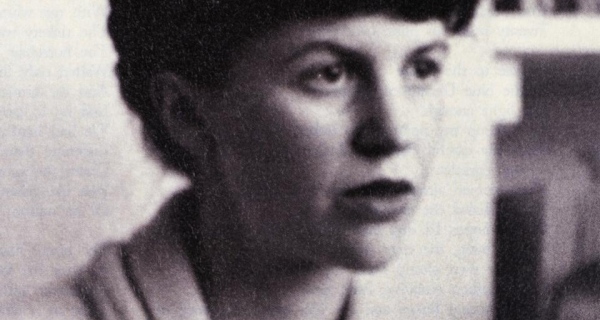
Sylvia Plath (1932-63) seems to be the Ingeborg Bachmann of North America. Her “relationship with her most famous work was not easy, but it retains its power after five decades.” In terms of today, she would be a writer with an Austrian/German “migration background.” >full article (c) THE IRISH TIMES, 2013
Another article: Who is Sylvia Plath? “Her role as a ‘casus belli’ in the battle of the sexes has also obscured the genius of this much-mythologised poet.” (c) FT 2013
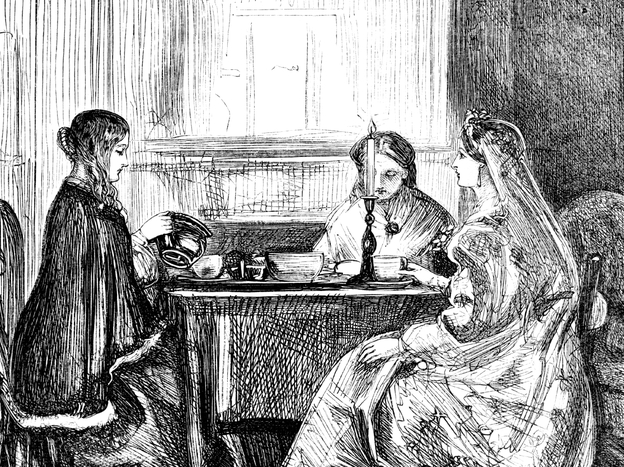
“Given tea’s rap today as both a popular pick-me-up and a health elixir, it’s hard to imagine that sipping tea was once thought of as a reckless, suspicious act, linked to revolutionary feminism. Huh? Well, the feminist complaints came from 19th century, upper class Irish critics who argued that peasant women shouldn’t be wasting their time — and limited resources — on tea. If women had time to sit down and enjoy a tea break, this must mean they were ignoring their domestic duties and instead, perhaps, opening the door to political engagement or even rebellion.”
>full text (c) npr, 2012 >press release by EurekAlert, 2012
This is historical research about the most CEE country of the west, Ireland. How was it in our region where there is the division line between tea and coffee drinkers?

