Archive for January, 2012

Between South Korea, Austria & Kosovo

Posted in Uncategorized with tags , , , , , , on 14 January 2012 by delclem

On Anna Kim’s novel Frozen Time (2010)

“Written by the South Korean-born author, who moved to Austria from Germany aged seven and regards German as her mother tongue, the narrative follows a young researcher in Vienna’s Red Cross Tracing Service as she attempts to help a Kosovan man discover what happened to his wife during the war in former Yugoslavia.” > article (c) A Year of Reading in the World, 2012 (reblogged)

> homepage Anna Kim (c) photo.
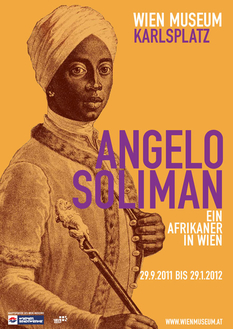
Traces of slavery in Vienna

Posted in Uncategorized with tags , , , , , , on 12 January 2012 by delclem

“A West African slave, brought to Vienna through Sicily, Angelo Soliman (1721-96) became a trusted and respected figure in Enlightenment Vienna. After his death, however, he was stuffed & exhibited in the Imperial Natural History collections as an exotic. As immigration arguments in Austria reach new intensity, the Wien Museum’s Soliman exhibition offers historical guidance.” (until 29 January)

>Reblogged entry (c) ENTARTETE MUSIK, 2011

>Review in German (c) ORF, 2011

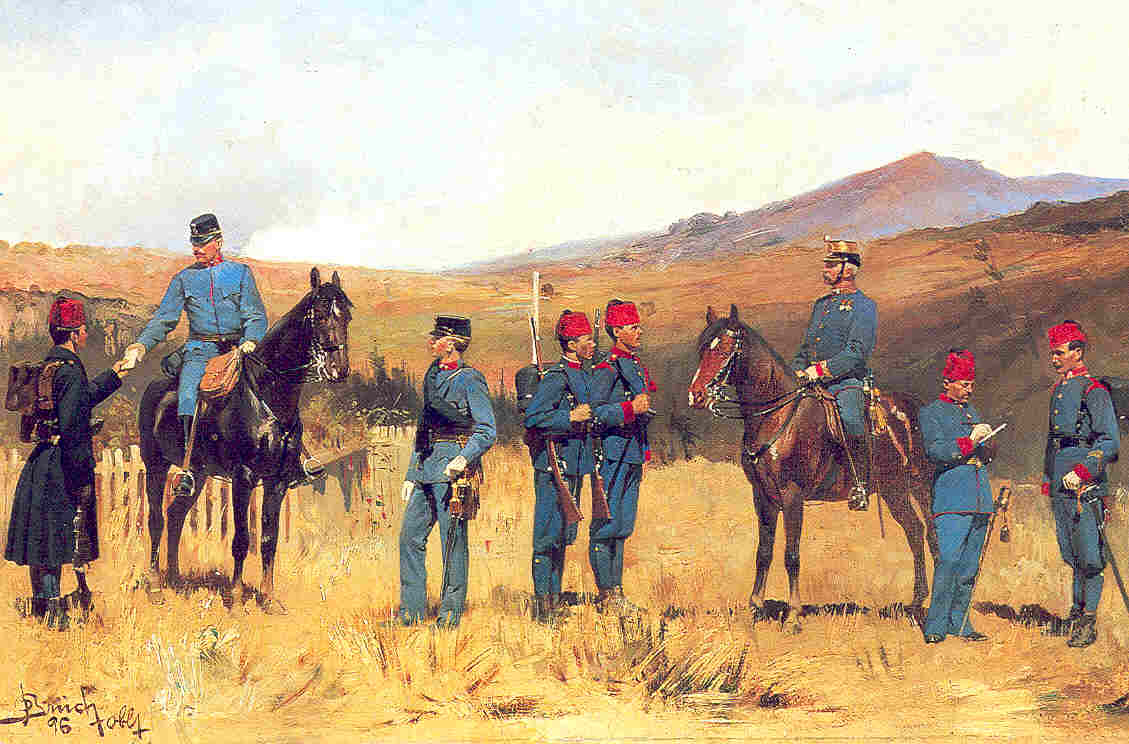
Bosnia-Hercegovina under Habsburg rule, 1878-1918

Posted in Uncategorized with tags , , , , on 11 January 2012 by delclem

“With the arrival of Habsburg occupiers in 1878, Bosnia-Herzegovina became Austria-Hungary’s first and only colony. It rapidly became the sole outlet for the energies, ideas, and resources of aspiring colonizers in the ‘motherland’.”

Pretty good “Postcolonial” historical survey reblogged from (c) bosniafacts.info, 2012

Photo (c) Heeresgeschichtl. Museum, Vienna

Also see my own posting on the subject matter.

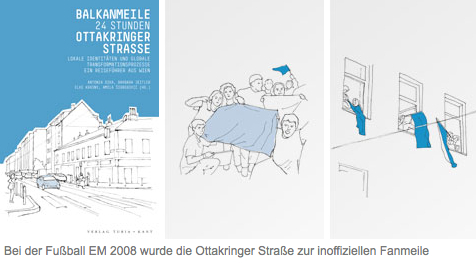
Balkan Flair in Vienna

Posted in Uncategorized with tags , , , , , , on 10 January 2012 by delclem

“The book Balkanmeile – 24 Stunden Ottakringer Strasse offers a portrait of a street of Vienna that has attracted attention over the last few years on account of its migrant inhabitants. Review (c) wienintenational.at, 2012

Birthday Celebrations of an Entity

Posted in Uncategorized with tags , , , on 9 January 2012 by delclem

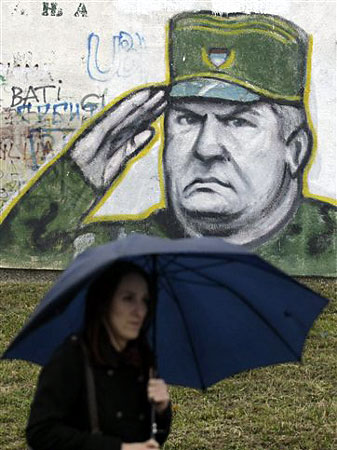
“The Republika Srpska, one of the 2 entities that make up Bosnia-Herzegovina, is celebrating its founding on Monday with a number of events in Banja Luka. The celebration has prompted condemnations from some in the other entity, the mainly Bosniak-Croat federation.” Reblogged text (c) balkaninsight.com, 2012

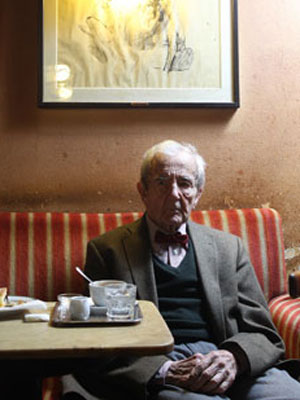
“First Havel, and now Hawelka too”

Posted in Uncategorized with tags , , , , , on 8 January 2012 by delclem

Obituary of a Viennese coffee house legend:
Leopold Hawelka, 1911-2011

Continue reading

The X-files of art history

Posted in Uncategorized with tags , , , , , , , on 7 January 2012 by delclem

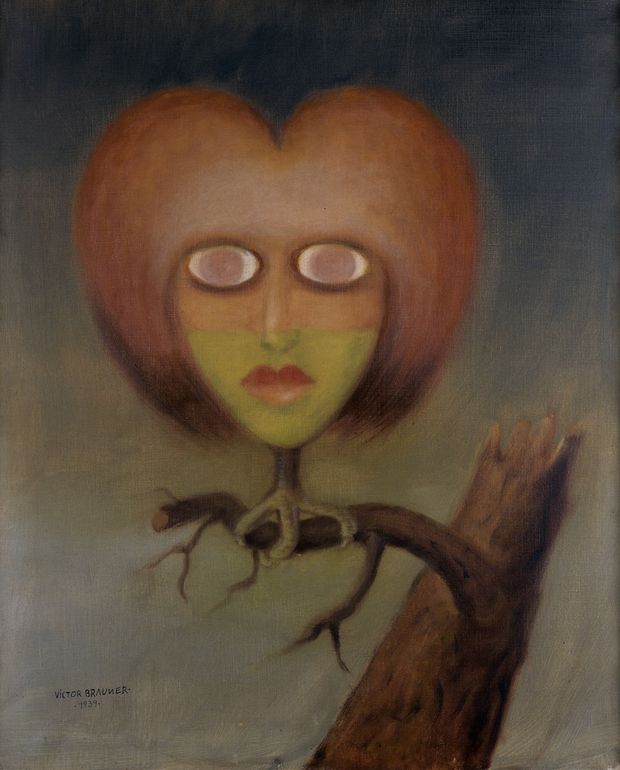
‘EUROPE & THE SPIRIT WORLD,
or: the Fascination with the Occult, 1750-1950’

“This is a cross-disciplinary exhibition exploring the influence of the occult on artists, thinkers, writers and scholars throughout Europe, at decisive moments in the history of the modern world. The exhibition is organized into three sections:

Continue reading

Josef Škvorecký (1924 – 2012)

Posted in Uncategorized with tags , , , , , , , on 6 January 2012 by delclem

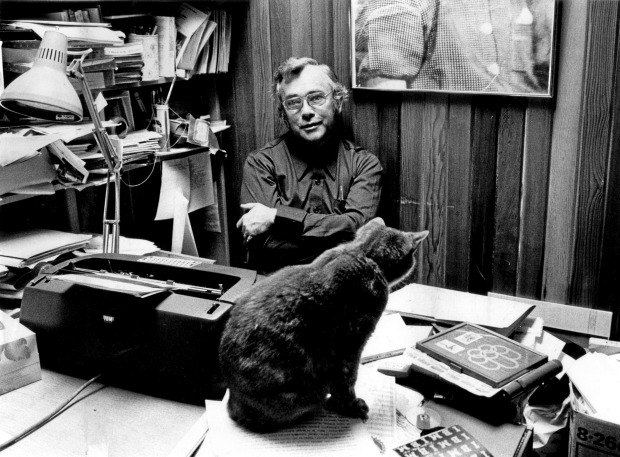
“Just over two weeks after the death of Vaclav Havel, another Czech literary figure who played a key role in his country’s Communist-era dissident movement, Josef Skvorecky, died of cancer Tuesday. He was 87.”

Continue reading

Brno: above & below ground

Posted in Uncategorized on 5 January 2012 by delclem

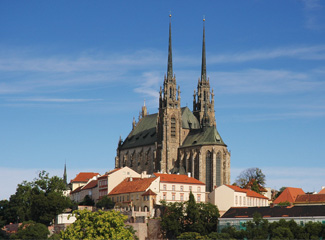
Brno, the second largest city in the Czech Republic, has gained itself a reputation in recent years as a trade fair & university town, and as a racing course. The city now launches two new tourist sites underground (an alchemist´s lab & a punishment room) and in the air (the Brno observatory) > MORE (c) wieninternational.at, 2011

Austro-Pop as “counter-hegemonic resistance”?

Posted in Uncategorized with tags , , , , , , , , , on 4 January 2012 by delclem

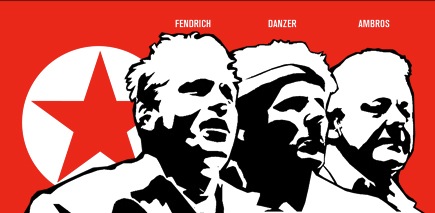
“Recent political and social developments in Austria have been widely portrayed in simplistically metonymic terms, with controversial figures such as Waldheim and Haider being perceived to epitomise Austrian society as a whole.” In his paper, Christian Karner analyses “the discursive/lyrical content of some of the songs by STS and Austria 3, two of the most successful bands within the genre of Austrian popular music. Approaching these two case studies from the theoretical perspectives of discourse analysis and cognitive anthropology, he tries to show that ‘Austro-Pop’ has – at important junctures in recent Austrian history – served as a tool of ideological resistance and created sites of social critique and cultural introspection.” (…) I have to admit: I am not really sure about this…