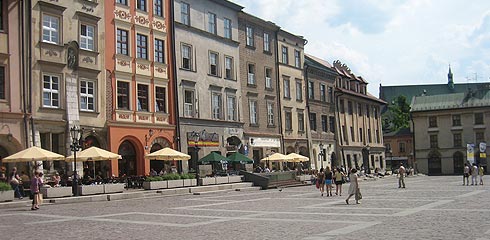
Part 1: Belgrade, Bratislava, Budapest
Part 2: Bucharest, Krakow, Ljubljana, Prague
Part 3: Moscow, Sarajevo, Sofia, Zagreb
(c) wieninternational.at, Summer 2011
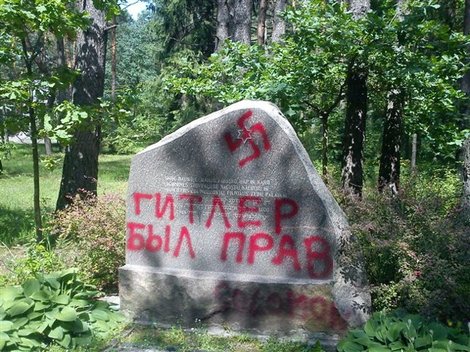
An article by the historian Timothy Snyder (Yale University)
who published the controversial & thought-provoking book Bloodlands recently
(c) NYR, 2011
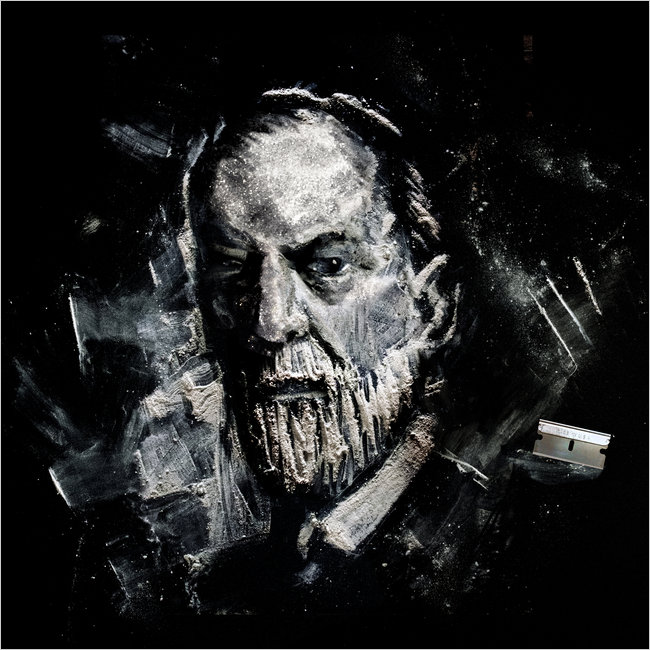
> On April 21, 1884, a 28-year-old researcher in the field now called neuroscience sat down at the cluttered desk of his cramped room in Vienna General Hospital and composed a letter to his fiancée, Martha Bernays, telling her of his recent studies: “I have been reading about cocaine, the effective ingredient of coca leaves,” Sigmund Freud wrote, “which some Indian tribes chew in order to make themselves resistant to privation and fatigue.” < . READ MORE >
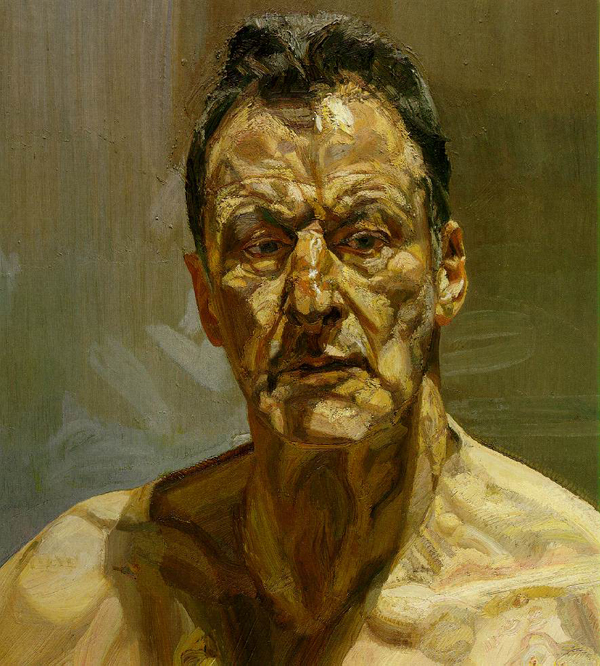
PS. On 20 July 2011, Freud´s grandson Lucian, a prominent British painter,
died at the age of 88 > OBITUARY > SLIDESHOW
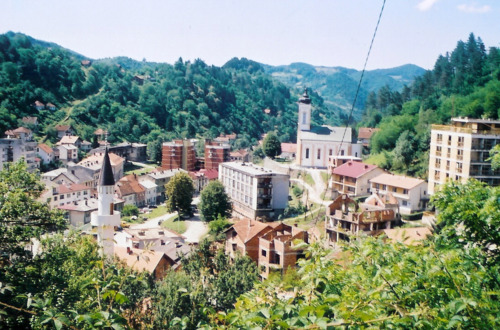
The Unbearable Lightness of Being Dead
There are many crime scenes where the idea of Europe was murdered in the “short” 20th century. One of them certainly is Srebrenica in eastern Bosnia, the place where the largest massacre after the Second World War executed by military personnel took its course.
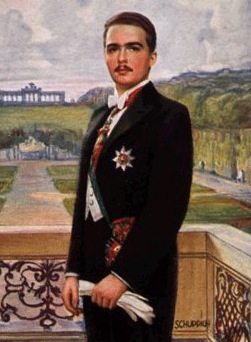
Obituary by Gavin Plumley and Entartete Musik, 2011
So Austria’s Posthabsburg Stress Disorder syndrome is over…?
Brassaï, Capa, Kertész, Moholy-Nagy, Munkácsi
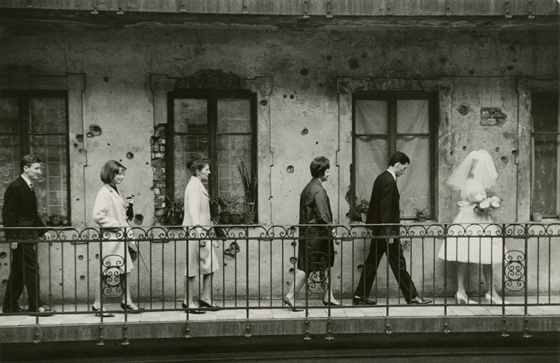
exhibition @ Royal Academy of Arts, London, UK
Sackler Wing of Galleries
30 June—2 October 2011
>> read more
“Lviv re-enacts the June 30, 1941 Ukrainian National revolution (and the German invasion). Parents dress their children in ethnic outfits to applaud the men in SS uniforms. The driver of the sidecar MC even grew a little Hitler mustache. No re-enactment of the pogroms, it seems,” says Dr Per Rudling (more photos on zaxid.net).
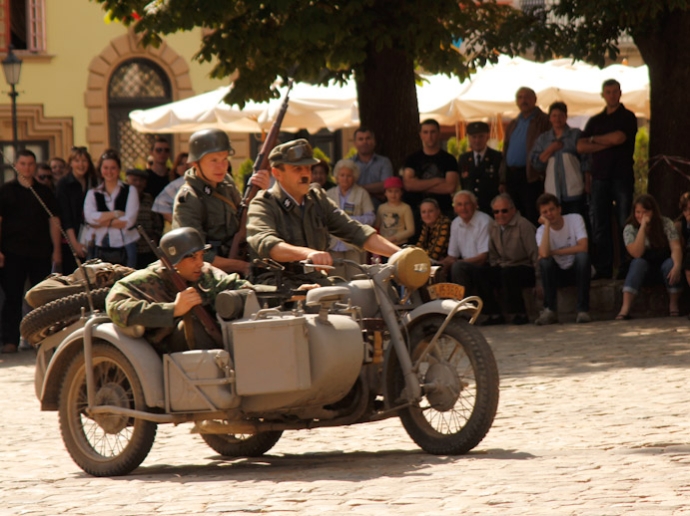
How tasteless is this sort of national(istic) Carneval?
It does not really come over as the re-enactment of a trauma…
——————————————————————————–
Read the interview with Dr Rudling on SS recruitment in the Ukraine, the country’s contested past and the creation of false myths
in the blog Hitler’s Foreign Executioners
Or the article by Grzegorz Rossoliński-Liebe on The Act of 30 June 1941 and its Commemoration in Ukraine in the blog Defending History
The frail-looking student who on 28 June 1914 shot the Austrian crown prince Franz Ferdinand and his Czech wife Sophie does not rest in peace: Gavril Princip is one of the many ghosts that rumble in the cultural memory of Central Europe like a nocturnal flatulence.
Rekvijum, by one of the most prominent songwriters of the country
English translation of the lyrics available here
On 16 – 17 June the Royal Historical Society (RHS) Symposium Edges of Europe: Frontiers in Context was held at Lancaster University.
The Plenary Lecture entitled Acoustic Postcards from the Edges of Europe was given by Professor Michael Beckerman, Head of Music at New York University.
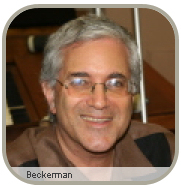 His research interests include Czech and Eastern European music, Janacek, Dvorak, Martinu, nationalism, Gypsies, Mozart, Brahms, Gilbert and Sullivan, Schubert, and film music.
He received the Janacek Medal from the Czech Republic and is a Laureate of the Czech Music Council. He lectures widely and writes regularly for the New York Times.
Here you can view a video of his talk.
 delirium clemens