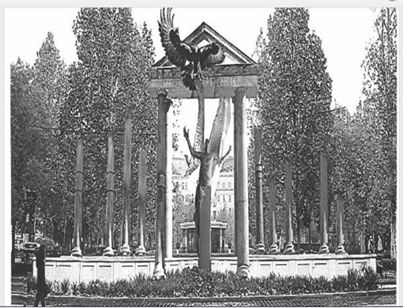
The renowned Hungarian American historian István Deák on the Monument of German Occupation, 1944-45, which is planned in Budapest by the right-wing nationalist FIDEZ government > text (c) Hungarian Spectrum, 2014
photo of monument draft (c) FACEBOOK, 2014
Archive for memory politics
Thomas Bernhard in Delhi
Posted in Uncategorized with tags Austria, Delhi, India, Indira Gandhi, memory politics, National Socialism, Sikh, Thomas Bernhard on 30 July 2013 by delclem
Thomas Bernhard, “the great Austrian author, created several curious characters in his short play The German Lunch Table. (…) When I first read the play, I wondered if it could be adapted for Indian stage, especially in the context of the Sikh pogrom in November 1984 in the days following the assassination of Prime Minister Indira Gandhi by her Sikh bodyguards.” A contribution to the cultural memory debate re: political violence from a cross-cultural perspective. >full text & photo/s
(c) India Ink / NYT, 2013
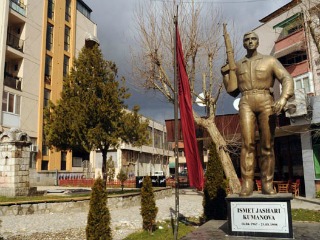
Monument-Building Boom in the Balkans
Posted in Uncategorized with tags Balkans, bosnia-hercegovina, Croatia, cultural analysis, Kosovo, memory politics, war monuments on 29 June 2013 by delclem
“Hundreds of war memorials have been built since the Balkan conflicts, but some governments exert no control over how much public money is spent or whether new monuments provoke ethnic tensions.” >text (c) balkaninsight.com 2013
(reblogged)
Incisive Anniversary
Posted in Uncategorized with tags 1938, Anschluss, Austria, cultural memory, Germany, Hitler, memory politics, National Socialism on 13 March 2013 by delclem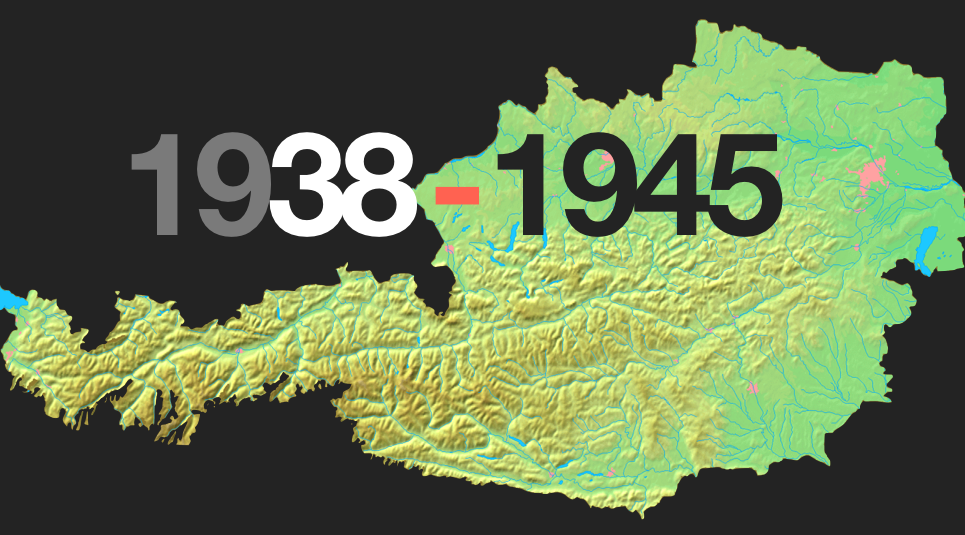
Austria commemorates again its – less forced than desired – “Anschluss” to Nazi Germany. Continue reading
“The Suffering Olympics”
Posted in Uncategorized with tags Central Europe, genocide, Hitler, Holocaust, memory politics, Soviet Union, Stalin on 2 February 2012 by delclem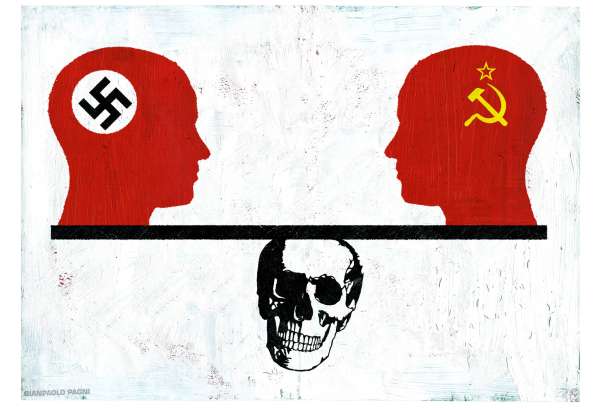
“The ‘double genocide’ wars that pit Stalin’s crimes against Hitler’s are raging in wide swathes of Europe and every now and again along comes a gust from the past to stoke them.” Commentary by Robert Cohen (c) NYT, 2012; illustration by Gianpaolo Pagni.

