Archive for museum

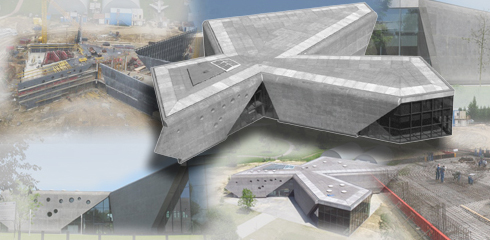
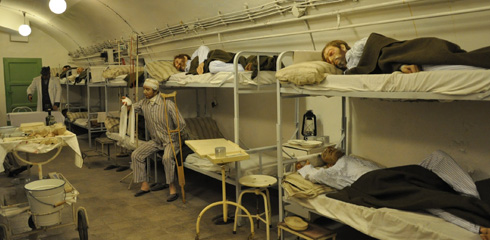
Hospital on the Rocks

Posted in Uncategorized with tags , , , , , , on 10 September 2012 by delclem

Image

Most of the visitors strolling in the castle area of Buda(pest) probably don’t know that beneath their feet in the depths there is a strange and completely different world: the Sziklakórház, a network of caves which was used in Hungary’s turbulent past as a hospital, nuclear and civil defence bunker, air raid warning centre and headquarters of the German SS.” It has been turned into a speculative museum rather than into a memorial… Text (c) wieninternational.at 2012
Underground with Mozart & Co.

Posted in Uncategorized with tags , , , , , on 15 August 2012 by delclem


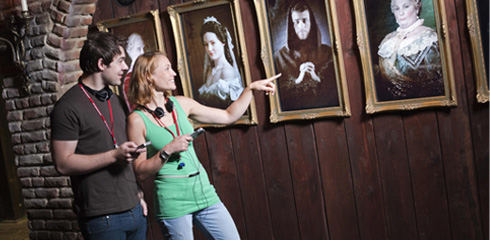
A new tourist attraction takes visitors underground where they can listen to Mozart, experience a model air raid shelter or run with the rats.” > Review
(c) wieninternational.at 2012


High hopes for FUTURA

Posted in Uncategorized with tags , , , on 14 August 2012 by delclem

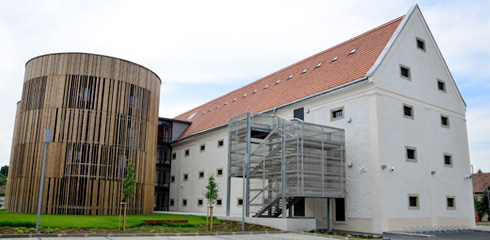
“FUTURA, an ancient granary from the days of the Austro-Hungarian Monarchy converted into an interactive nature-adventure attraction, is expected to bring a boom in international tourism to Mosonmagyaróvár, a small Hungarian spa resort of  some 80 kilometres from Vienna.” >review (c) wieninternational.at 2012

Factory & concentration camp

Posted in Uncategorized with tags , , , , , , , , , , on 13 August 2012 by delclem

This slideshow requires JavaScript.

The former rice-husking facility of Trieste, la Risiera di San Sabba, was the only Nazi concentration camp with a crematorium on Italian soil, 1943-45; aprox. 3,000-5,000 people died there. Today it is a national memorial. Who the hell would park a camper outside? Photos (c) Ruthner, 2012

Museum boom in Kraków

Posted in Uncategorized with tags , , , , on 8 February 2012 by delclem

Three museums have recently opened in Kraków that will be of interest to aviation, history and art enthusiasts. The city is rediscovering many of the things that were suppressed or deliberately ignored under the Communists, including contemporary art.” >Article (c) wieninternational.at, 2012