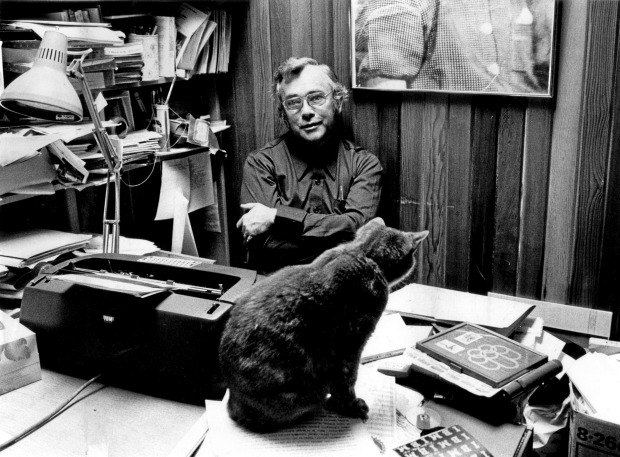
“Just over two weeks after the death of Vaclav Havel, another Czech literary figure who played a key role in his country’s Communist-era dissident movement, Josef Skvorecky, died of cancer Tuesday. He was 87.”
“Just over two weeks after the death of Vaclav Havel, another Czech literary figure who played a key role in his country’s Communist-era dissident movement, Josef Skvorecky, died of cancer Tuesday. He was 87.”
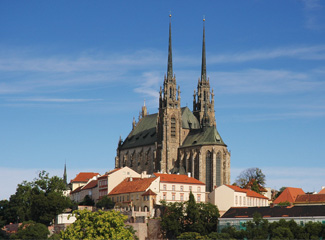
Brno, the second largest city in the Czech Republic, has gained itself a reputation in recent years as a trade fair & university town, and as a racing course. The city now launches two new tourist sites underground (an alchemist´s lab & a punishment room) and in the air (the Brno observatory) > MORE (c) wieninternational.at, 2011
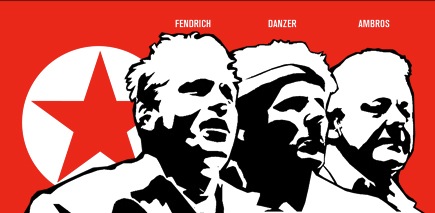
“Recent political and social developments in Austria have been widely portrayed in simplistically metonymic terms, with controversial figures such as Waldheim and Haider being perceived to epitomise Austrian society as a whole.” In his paper, Christian Karner analyses “the discursive/lyrical content of some of the songs by STS and Austria 3, two of the most successful bands within the genre of Austrian popular music. Approaching these two case studies from the theoretical perspectives of discourse analysis and cognitive anthropology, he tries to show that ‘Austro-Pop’ has – at important junctures in recent Austrian history – served as a tool of ideological resistance and created sites of social critique and cultural introspection.” (…) I have to admit: I am not really sure about this…
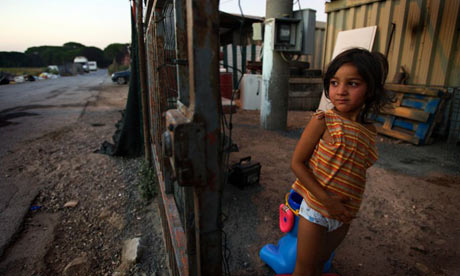
Photographer Robin Hammond travels to the Roma camps in Italy to document the plight of the people there against the discrimination they face from the rest of the country (c) THE GUARDIAN, 2008-11 > More photos > Article
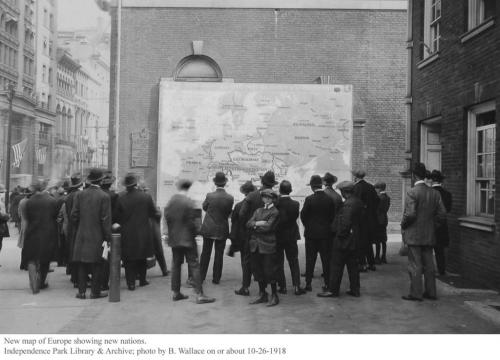
“A critical reading of European history and an eye-witness report of pre-1989 citizen protests in the Eastern bloc highlight overlooked narratives and the undervalued potential of the region.” Essay by Guy Kiddey (c) VIENNA REVIEW, 2011
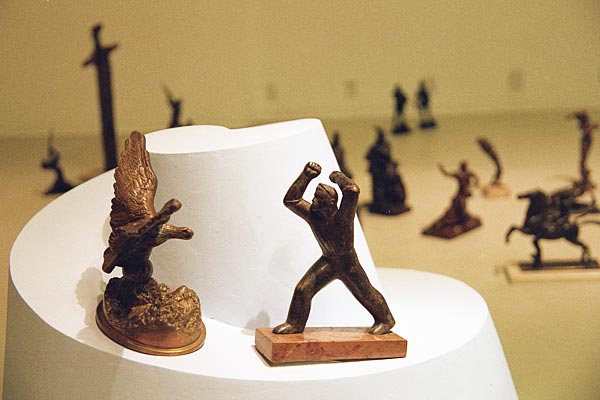
Little Warsaw: The Battle of Inner Truth – Budapest, 2011
(while a cultural struggle of sorts is taking place in Hungary…)
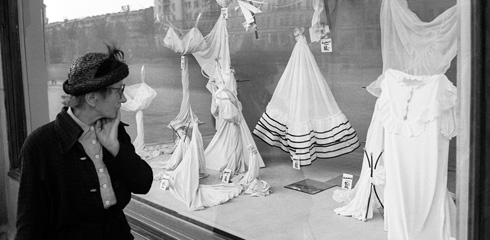
Until the end of January everyone has a chance to immerse themselves in the world of Austrian photography after 1945 > MORE
(c) wieninternational.t, 2011
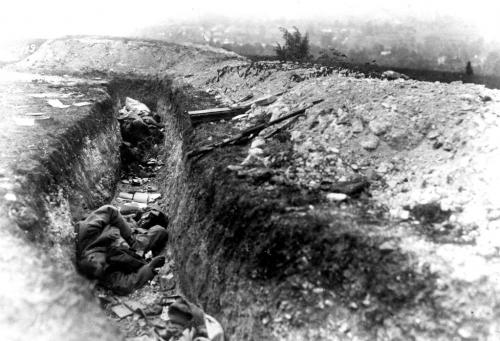
Set in a world that has faded from living memory, The Sojourn by the Slovak American author Andrew Krivak is a searing coming-of-age story about a sniper in the Austrian Army on the Italian front in the First World War.
Review (c) THE VIENNA REVIEW, 2011.
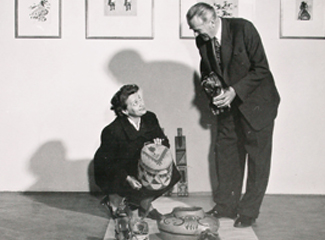
“Etta Becker-Donner was a pioneer in the field of anthropology. She would have turned 100 this year. Her birthday comes as a welcome occasion for the Museum of Ethnology in Vienna to commemorate the great field researcher, scientist and former museum director with a small, but fine exhibition” > MORE
(c) wieninternational.at, 2011
Metelkova: 18 years of utopian freedom in Ljubljana
Copenhagen has Christiania, Berlin has Tacheles, and Ljubljana has Metelkova City, its very own autonomous cultural center.
Metelkova is situated in the former barracks of Yugoslav People’s Army which were left abandoned after Slovenia became independent in 1991. Some 200 volunteers squatted the premises in 1993 after their formal request to use the barracks as artistic space fell on deaf ears.
> MORE (c) BTurn, 2011 (reblogged)
 delirium clemens