The Nexus Institute invited the speakers of the Nexus Conference How to Change the World to grant them a short interview. All speakers accepted and shared their valuable insights; one of them was the renowned Hungarian philosopher Agnes Heller (c) THE NEXUS INSTITUTE / youtube 2013
Archive for the Uncategorized Category
On the Danger of Totalitarianism
Posted in Uncategorized with tags Agnes Heller, Hungary, interview, philosophy, Totalitarianism on 20 October 2013 by delclemSoccer as glue for Bosnia-Herzegovina?
Posted in Uncategorized with tags Bosnia-Herzegovina, Bosnian War, FIFA World Cup, football, soccer, sport on 18 October 2013 by delclem
Fans in Sarajevo celebrate after Bosnia-Herzegovina qualified for the World Cup finals for the first time in their country’s history. Can soccer unite the still wartorn country, or is divisive as almost everything else here? Two texts for comparison:
one (c) THE GUARDIAN, the other one by THE DIALY MAIL, 2013
German – Greek Paybacks
Posted in Uncategorized with tags austerity, compensation payments, Germany, Greece, National Socialism, occupation, partisans, payback, Second World War, war crimes on 16 October 2013 by delclem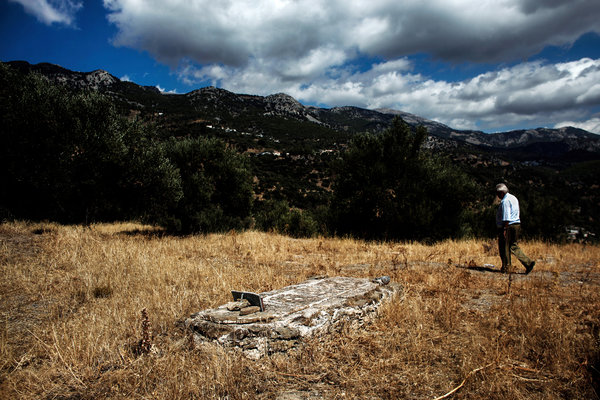
“As Germans push austerity, Greeks press Nazi-era claims.”>article (c) NYT, 2013
“The Folly of Empire”
Posted in Uncategorized with tags Austria-Hungary, decline, empire, Ottoman Empire, Rome, USA, Wall Street on 13 October 2013 by delclem
“The last days of empire are carnivals of folly. We are in the midst of our own, plunging forward as our leaders court willful economic and environmental self-destruction. Sumer and Rome went down like this. So did the Ottoman and Austro-Hungarian empires.” >essay & illustration (c) truthdig.com 2013
The History of VIENNA in 11 parts
Posted in Uncategorized with tags Austria, history, Vienna on 6 October 2013 by delclem
Very helpful educational website. Just click on the link and select one of the languages available: German, English, Hungarian, Czech, Slovak, Polish, BCS, Slovene, Russian, Romanian. All texts (c) wieninternational.at 2013
Photographer & Soviet spy with a conscience
Posted in Uncategorized with tags Austria, Communism, Edith Tudor-Hart, espionage, exhibition, Greta-Britain, London, photography, Soviet Union, Vienna on 3 October 2013 by delclem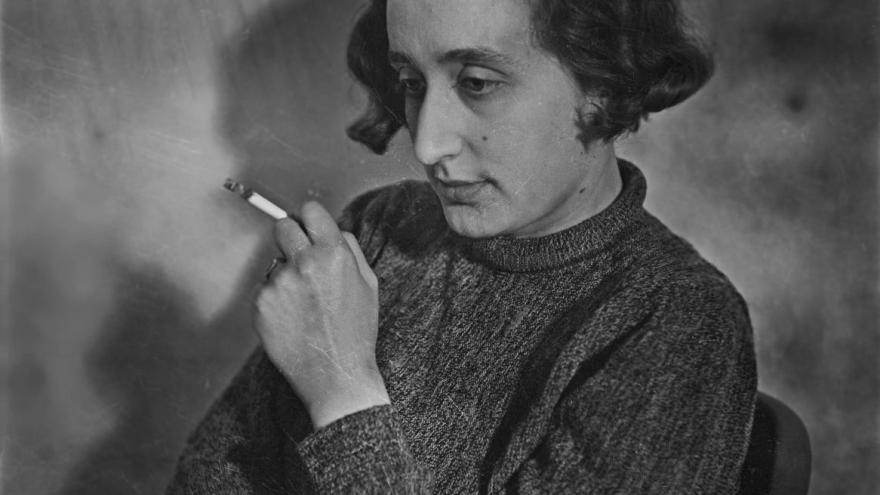
“When Edith Tudor-Hart wasn’t working as a Soviet agent, she was taking lovingly realistic portraits of London’s workers and street children. Now, for the first time, a retrospective is celebrating her double life.” >full text (c) THE TELEGRAPH, 2013
“A brush with the past”
Posted in Uncategorized with tags art, Austria-Hungary, cultural history, Edmund de Waal, exhibition, Gret Britain, Vienna 1900 on 1 October 2013 by delclem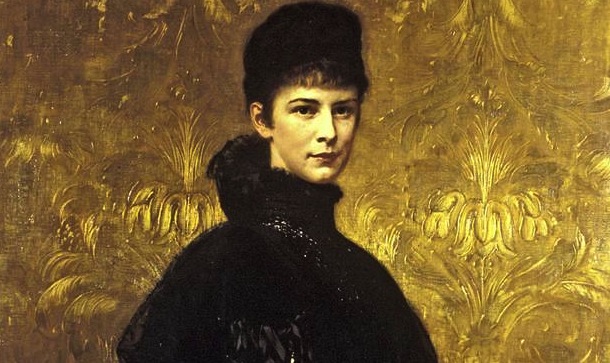
“Ahead of a major new exhibition of portraits from turn-of-the-century Vienna, the award-winning writer Edmund de Waal reveals his own family’s intimate links to the city.” >full text & photo album (c) THE INDEPENDENT, 2013
Ill. above: Portrait of Empress Elisabeth (1899) by Gyula Benczúr
James Joyce’s “Dirty Letters” to His Wife Nora
Posted in Uncategorized with tags Austria-Hungary, Dublin, Ireland, Italy, James Joyce, letters, Nora Joyce, pornography, sexuality, Trieste on 29 September 2013 by delclem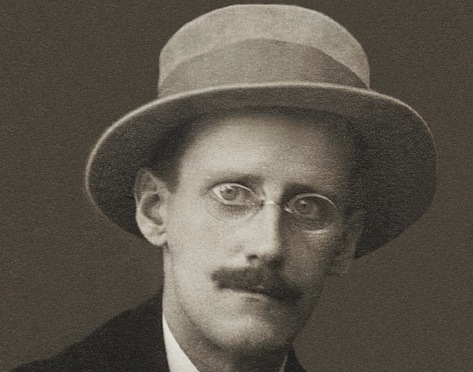
“The letters are by turns pornographic, erotic, romantic, poetic, and often downright funny, and they were written for Nora’s eyes alone in a correspondence initiated by her in November of 1909, while Joyce was in Dublin and she was in Trieste raising their two children in very straitened circumstances. Nora hoped to keep Joyce away from prostitutes by feeding his fantasies in writing, and Joyce needed to woo Nora again—she had threatened to leave him for his lack of financial support.”>full text
(c) OPEN CULTURE, 2013
“what’s wrong with the modern world”
Posted in Uncategorized with tags America, Austria, Europe, Jonathan Franzen, Karl Kraus, Literature, modernity on 20 September 2013 by delclem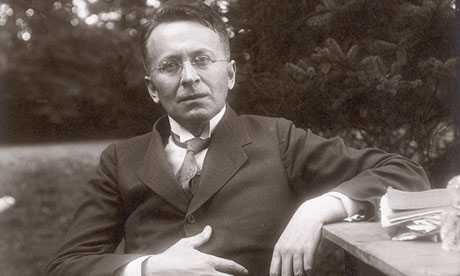
“While we are busy tweeting, texting and spending, the world is drifting towards disaster, believes Jonathan Franzen, whose despair at our insatiable technoconsumerism echoes the apocalyptic essays of the satirist Karl Kraus – ‘the Great Hater’.”>full text & photo (c) THE GUARDIAN, 2013
1913 – The Year Before the Storm
Posted in Uncategorized with tags 1913, Austria, Europe, Florien Illies, Germany, history, Literature, World War I on 17 September 2013 by delclem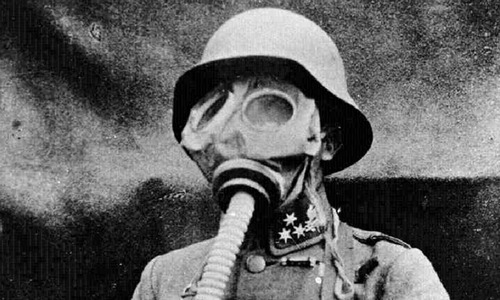
“Can you write a history of the year 1913 and ignore the disaster waiting around the corner? With the centenary of the First World War approaching that may sound perverse, yet it is precisely what Die Zeit journalist Florian Illies tries to do in his new book, which was a bestseller in Germany when it was published there last year.” >review (c) THE GUARDIAN, 2013
 delirium clemens